

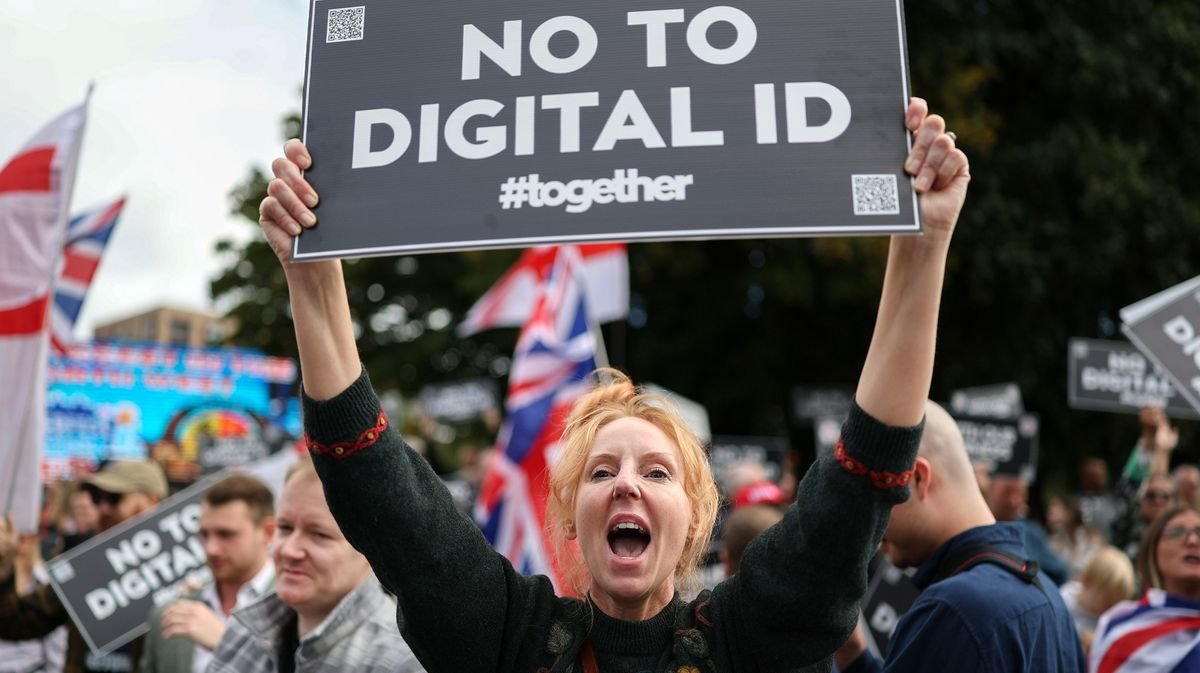

Keir Starmer is reportedly planning to scale down the implementation of digital ID plans following widespread criticism.
The contentious scheme is expected to be diluted when rolled out in 2029, as per reports from The Times. It is stated that alternative digital identity cards will be allowed for demonstrating the right to work.
Despite opposition, the Government clarifies that the project will not be completely abandoned. This decision follows a significant public backlash, including a petition signed by nearly three million voters calling for its cancellation. Initially, Government-issued digital ID cards will not be obligatory, and individuals will have the option to use electronic visas and passports instead.
In response, Lib Dem Cabinet Office spokeswoman Lisa Smart remarked on the series of U-turns by Number 10, criticizing the digital ID proposal as a costly endeavor with no substantial benefits.
Internal concerns within the Government highlight worries about mandatory enforcement dominating discussions. A source revealed to The Times that stepping back from compulsory use cases aims to address potential issues, ensuring individuals are not unfairly restricted from working due to lack of digital ID.
The government maintains its commitment to mandatory digital right-to-work checks, emphasizing the need for a more secure and traceable system to prevent fraud and exploitation. Details regarding the digital ID scheme will be outlined after a comprehensive public consultation.
Opponents, including Silki Carlo from Big Brother Watch, question the true motives behind the mandatory digital ID, expressing skepticism about its efficacy in combating illegal working practices. Carlo believes the mishandling of the announcement has irreversibly damaged the government’s credibility on the issue.
A consultation on the plans is scheduled to launch soon, with recent assessments indicating severe flaws in the Government’s digital ID strategy.