

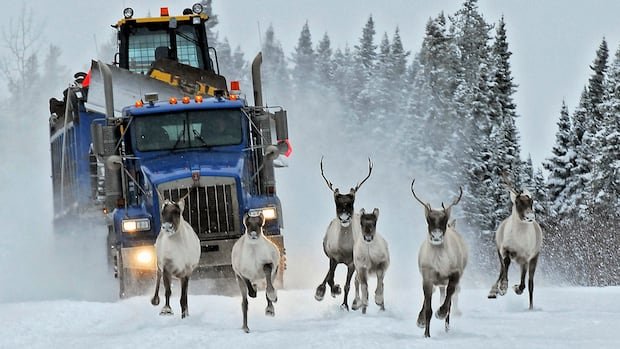

A study revealed that despite being identified as endangered in Canada, many species face delays in receiving protection decisions from Ottawa, leaving their survival at risk amid changing habitats. Out of 288 at-risk species since 2017, only 17 have reached the federal cabinet body, the Governor in Council, within the recommended timeline, while 153 species are overdue and awaiting decisions as of January 25, 2025.
The delays impact species like caribou, beluga whales, and lake sturgeon, affecting their chances of habitat protection and recovery planning. The bottleneck is attributed to a gap in the Species at Risk Act (SARA), where no statutory deadline exists for a crucial stage of the process, allowing governments to postpone conservation-related decisions.
Researchers highlighted that the government consistently misses its self-imposed timelines, causing concerns over species like the Saskatchewan-Nelson River population of lake sturgeon, designated as endangered in 2017 but still awaiting federal listing decisions. The study emphasized the importance of timely actions as infrastructure projects like dams pose threats by disrupting the fish’s movement pathways.
Under the Species at Risk Act, listing a species triggers protections against harm, and a recovery strategy is required, including the identification and protection of critical habitats. Aquatic species are particularly vulnerable, with delays affecting marine mammals and fish disproportionately due to the lack of explicit timelines in the assessment process.
Experts stress that habitat protection is crucial for species survival and cultural significance, underscoring the need for Indigenous consultation integration in the listing process. The study identified information collection as a common cause of delays, raising concerns about transparency and the need for more efficient decision-making to ensure species receive necessary protections promptly.
The government acknowledged the gap in the legislation and cited the complexity of aquatic species listings, promising actions to address the delays. Overall, there is a call for a more streamlined process to safeguard species and their habitats effectively.