

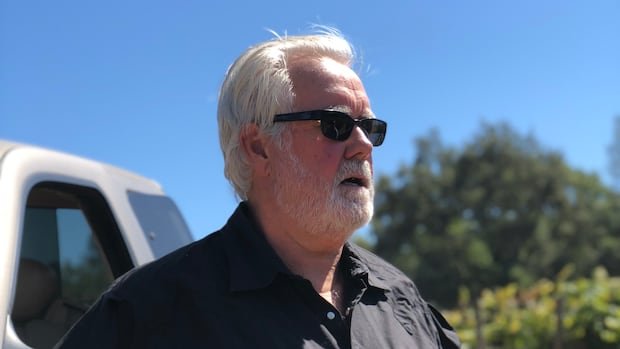

Bill Easton, a winemaker from California’s Sierra Foothills, used to have regular shipments of Syrah to Montreal every six weeks. However, last spring, Quebec’s decision to halt American alcohol sales disrupted this routine. Easton now pays $1,200 every four weeks to store wine in a temperature-controlled facility due to the ban on U.S. alcohol in Canadian provinces.
Winemakers like Easton feel caught in the crossfire of trade negotiations as Canadian premiers debate reinstating American alcohol to avoid new tariffs on Canadian goods. Some industry members see their livelihoods used as bargaining chips in an international trade dispute, expressing confusion and frustration.
Premier Mark Carney urged provinces to reconsider the ban on U.S. alcohol to prevent further tariffs on Canadian exports. While some premiers are open to lifting the ban, others remain cautious, concerned about the unpredictable nature of the trade dispute with the U.S.
The Oregon Wine Growers Association shares similar sentiments, emphasizing the importance of rebuilding trust and stable trading relationships with Canadian buyers post-resolution. The association highlights the significant impact of the ban on American wine exports to Canada, causing a substantial decline in sales.
Despite the potential for a deal to lift the ban, some Canadians express reluctance to return to purchasing American alcohol due to loyalty to local brands or personal objections. The Distilled Spirits Council of the United States also advocates for a negotiated solution to restore American spirits to Canadian shelves and resolve the broader trade dispute.
For winemakers like Easton, the ban has resulted in significant financial losses and uncertainty about the future. While hopeful for a resolution, he remains cautious and emphasizes the desire to return to normalcy in trade relations between the U.S. and Canada.