


Cutting-edge strategies are being explored to combat a significant issue in the UK, as revealed by Members of Parliament. HMRC officials are investigating the potential of artificial intelligence to address the tax gap exploited by fraudulent activities within the system.
Tax avoidance involves manipulating regulations to gain tax benefits. Between 2023 and 2024, the UK Government reportedly lost around £0.7 billion due to tax avoidance schemes.
According to HMRC, tax avoidance usually revolves around “contrived, artificial transactions that serve little purpose other than securing an advantage.” This behavior operates within the law’s wording but not its intended spirit.
In contrast, tax evasion involves a deliberate effort to evade paying owed taxes, which is illegal. HMRC stated that they will take stringent actions against individuals involved in evasion, ranging from financial penalties to criminal prosecution and imprisonment.
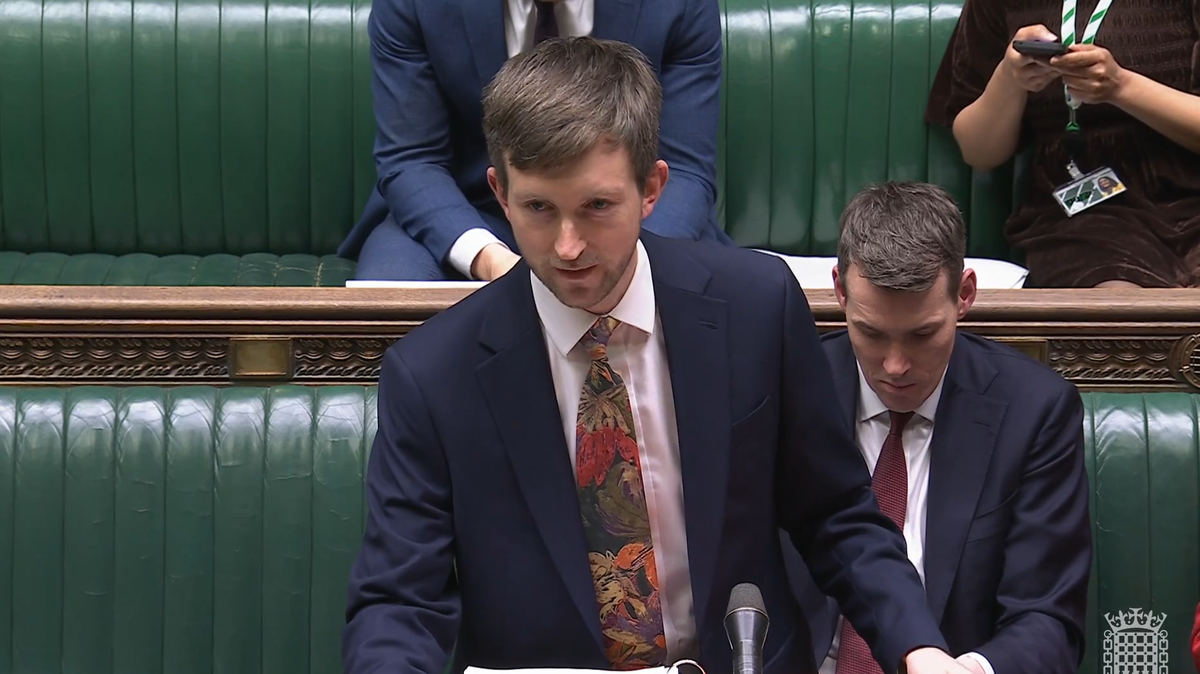
The UK government’s projected losses from tax evasion were £5.5 billion in 2022-23, with an increase to approximately £6.5 billion for 2023-24, as per reports from the Express. Shaun Davies, the Labour MP for Telford, inquired about the potential of AI and digital technology in reducing tax evasion and avoidance during a session with Exchequer Secretary Dan Tomlinson on December 23.
HMRC’s expansion plans include utilizing AI to target risks more effectively, enhance case selection, and promptly address emerging tax system issues. The integration of artificial intelligence aims to streamline operations, allowing staff to focus more on assisting taxpayers while efficiently combating fraud and evasion to generate additional revenue for public services.
While AI supports various processes, it does not replace human judgment and oversight. HMRC emphasizes the responsible use of technology, ensuring strict data protection, security measures, and ethical standards. Decisions influenced by AI are always explainable and subject to human review, highlighting the agency’s commitment to maintaining a balance between technology and human expertise.