

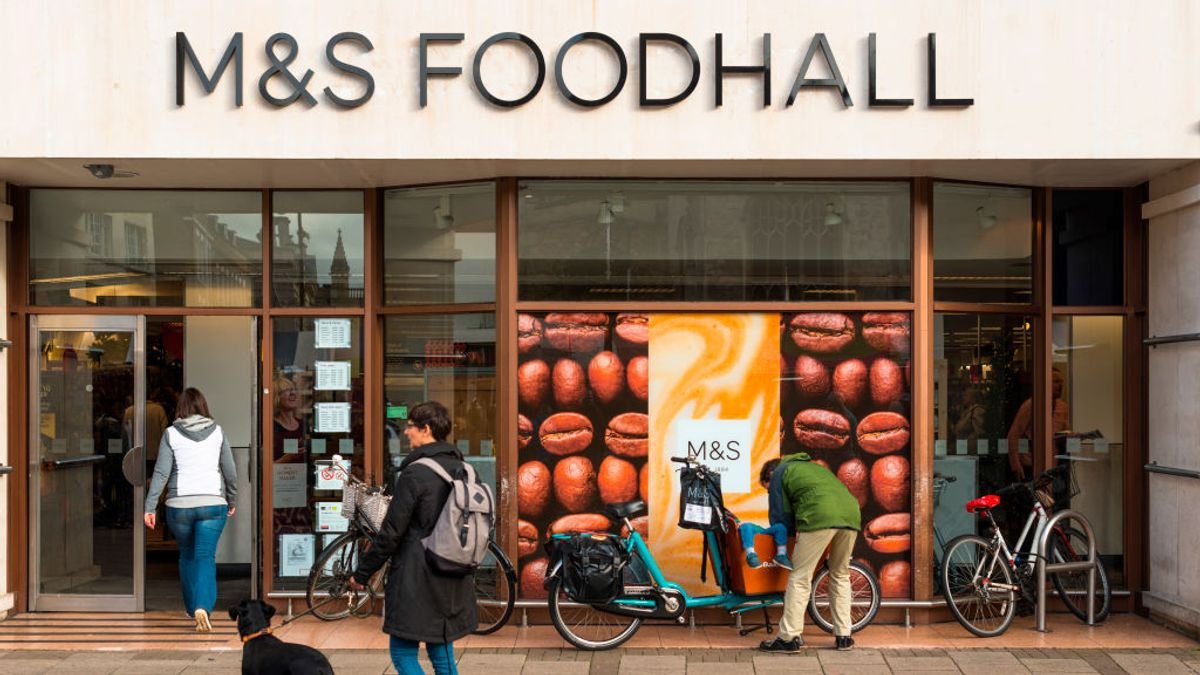

Food prices continue to rise amidst the ongoing cost of living crisis, impacting consumers as they navigate supermarket aisles. Many are turning to budget-friendly options, including store-brand products, to manage expenses. However, even at retailers like Marks & Spencer (M&S), known for their higher-end offerings, price hikes are evident.
For instance, M&S’ Classic Mayonnaise, priced at £1.50 for a 500ml tub, is comparably higher than similar products from competitors like Sainsbury’s and Tesco. A recent addition to M&S, the Olive Oil Mayonnaise from the Only… Ingredients range, stands out with a hefty price tag of £4.50 for a 250g tub, emphasizing premium quality and minimal ingredients.
While the trend of rising olive oil prices globally has contributed to the increased cost of products like Olive Oil Mayonnaise, the significant price gap between the Classic and Olive Oil variants raises eyebrows among consumers. Despite these discrepancies, other items in the Only… Ingredients collection at M&S maintain reasonable pricing, offering a balance between quality and affordability.
Understanding the underlying factors behind the surge in olive oil prices sheds light on the challenges faced by producers and importers. Poor harvests in Mediterranean countries, coupled with growing demand and supply chain complexities, contribute to the overall cost escalation. Additionally, external factors like currency fluctuations and Brexit-related issues add to the complexity of pricing dynamics in the UK market.
As consumers navigate these changes, the appeal of simplified ingredient lists and quality-focused products remains strong. While premium offerings command higher prices, the need for transparency and fair pricing practices in the food industry is underscored by instances like the Olive Oil Mayonnaise pricing discrepancy. As shoppers adapt to evolving market conditions, the debate over value versus cost continues, prompting a closer examination of product choices and their associated prices.