

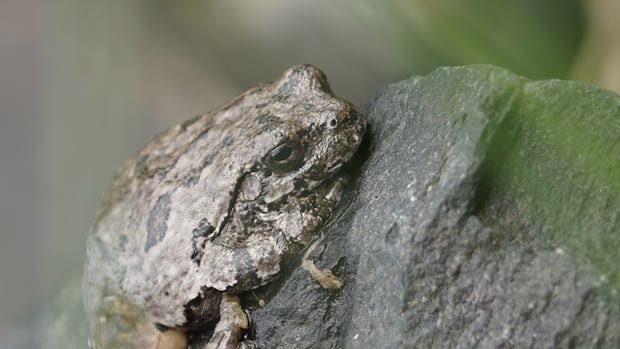

Researchers in Manitoba are investigating the potential presence of a lethal fungal disease known as chytridiomycosis among local amphibians. This disease, responsible for the extinction of numerous amphibian species globally, manifests through symptoms such as thickening skin, difficulty breathing and eating, and a compromised immune system. While chytrid has not been officially detected in Manitoba, experts believe the pathogen is likely present due to its widespread distribution across the continent.
The fungal pathogen causing chytrid in frogs is Batrachochytrium dendrobatidis, while in salamanders, it is Batrachochytrium salamandrivorans. The latter, originating in East Asia, has devastated salamander populations in certain parts of Europe. Despite not yet reaching North America, scientists remain vigilant about its potential spread.
Chytrid has been directly linked to the extinction of over 90 species and a decline in more than 500 others. Described as one of the most devastating infectious diseases among vertebrates, its prevalence in the U.S. and Canada has been increasing. Recent studies have shown a significant presence of chytrid in frog populations in Alberta and British Columbia.
The northern leopard frog, an endangered species in Western Canada and a species of special concern in Manitoba, has faced population declines possibly attributed to chytrid. Observations of mass frog mortality in Manitoba wetlands decades ago hint at a historical presence of the disease. Despite being chytrid-free officially, Manitoba’s designation may not reflect the actual situation, urging the need for proactive monitoring and research.
The risk of chytrid affecting amphibians on the Prairies is concerning, especially with changing environmental conditions. Researchers emphasize the importance of identifying and monitoring potential habitats where the pathogen could thrive to prevent further declines in amphibian populations. The health of wetlands plays a crucial role in the overall ecosystem and human health, highlighting the interconnectedness of environmental well-being.
Efforts are underway to develop proactive monitoring programs to safeguard amphibian populations from the impacts of chytrid. By leveraging research findings and successful treatments from other regions, Manitoba aims to protect its amphibians and prevent potential extinctions.