

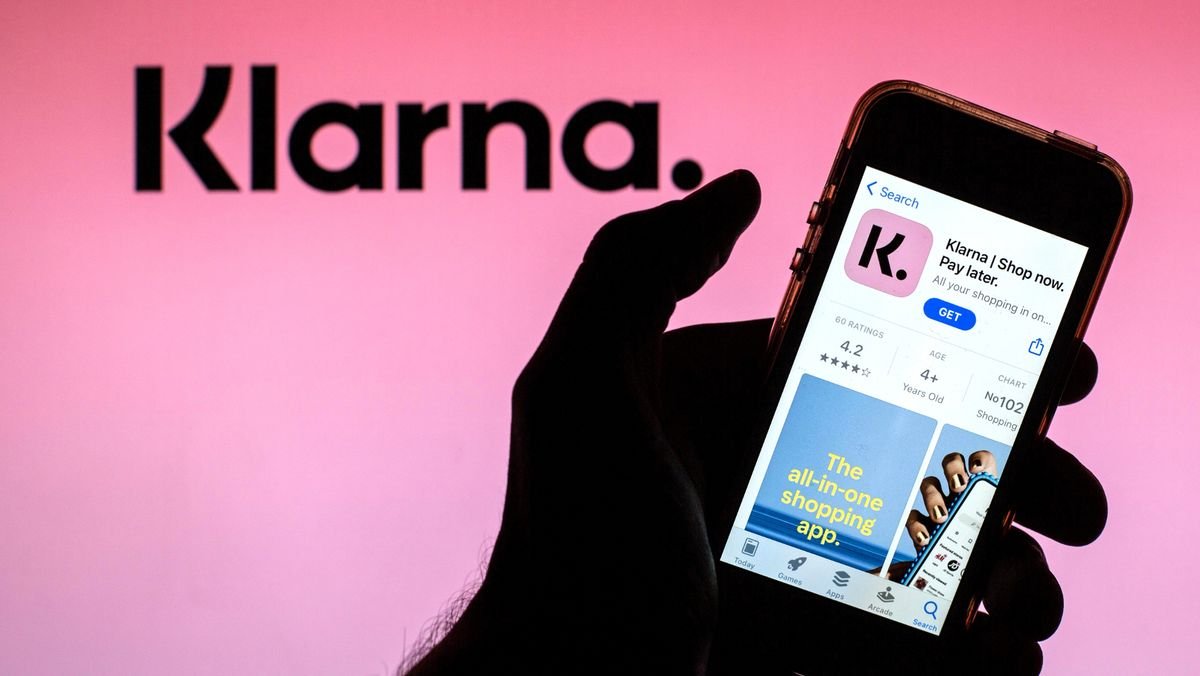

Klarna has recently introduced its payment option to Google Pay, allowing users to make purchases in instalments. Klarna, a popular “buy now, pay later” lender, offers interest-free repayment plans like “Pay in 30 days” and “Pay in 3”. However, failure to make timely payments may result in late fees, ranging from £5 for orders over £30 to 25% of the purchase price for orders under £20. Additionally, missed payments can negatively impact the user’s credit report as Klarna shares information with credit referencing agencies.
By making payments on time and using buy now, pay later services responsibly, individuals can demonstrate their ability to borrow and repay debts. Klarna, which boasts approximately 12 million UK customers, aims to provide fair, flexible, and interest-free payment solutions through Google Pay.
Raji Behal, Klarna’s Head of Western and Southern Europe, UK & Ireland, expressed enthusiasm about the partnership with Google Pay, emphasizing the convenience and transparency of Klarna’s payment options. Similarly, Lisa Yokoyama, Google Pay’s Director of Product Management, highlighted the collaboration’s goal of offering enhanced payment flexibility to users, especially given Google’s high daily shopping volume.
Notably, the buy now, pay later industry will be regulated by the Financial Conduct Authority (FCA) starting July 15, 2026. This regulation mandates that users receive clear and upfront information about their agreements, including payment schedules, amounts due, and consequences of missed payments. Lenders must also assess customers’ repayment capacity and provide support in case of financial difficulties, directing them to free debt advice services. Customers dissatisfied with their treatment by buy now, pay later providers can escalate complaints to the Financial Ombudsman Service (FOS). Additionally, lenders must be authorized by the regulator and comply with Consumer Duty rules to ensure high consumer protection standards in the UK financial sector.