

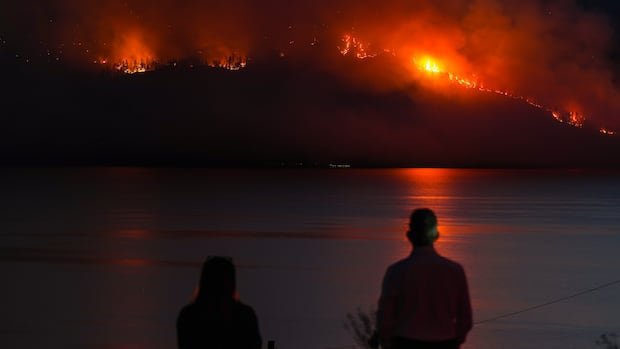

A significant Pacific Ocean warming phenomenon known as El Niño, dubbed by some as a “super” or “Godzilla” event, has returned, impacting global weather patterns amid already elevated temperatures worldwide. North America and Europe experienced their hottest July on record, leading to numerous heat-related fatalities, dried-up waterways, and extensive wildfires, including in Canada where over 4.1 million hectares of forest have burned.
While this year’s scorching summer coincided with the onset of El Niño, climate experts assert that El Niño is not directly responsible for these extreme weather events. However, they warn that the interplay between El Niño and climate change induced by human activities could exacerbate extreme weather conditions.
According to NASA’s climate scientist Josh Willis, the current El Niño is expected to have widespread and significant impacts across a vast area. The abnormal warming of the Pacific Ocean during El Niño events disrupts typical weather patterns, leading to contrasting conditions such as increased rainfall in arid regions and drought in traditionally wet areas.
Although the effects of El Niño may not fully manifest in Northern regions like Canada until late fall and winter, experts, including Muhammad Azhar Ehsan from Columbia University, express concerns about the unprecedented nature of this El Niño and its potential contribution to ongoing heatwaves and wildfires.
Forecasts suggest that owing to this El Niño, Canada and the northern U.S. could experience a warmer winter, with British Columbia likely to see reduced precipitation. Conversely, the southern U.S. may face a wetter winter. El Niño-related impacts are already visible in South American countries like Peru and Ecuador, where heavy rains and drought conditions are anticipated.
El Niño’s influence extends to tropical storm activity, with a decrease in hurricanes in the Atlantic due to the shifting jet stream. In contrast, the Eastern Pacific has witnessed heightened storm activity, with several named storms already recorded this season.
Climate scientists emphasize that while El Niño may intensify weather patterns, the underlying cause of extreme temperatures and wildfires is attributed to human-induced climate change. This El Niño event occurring in a progressively warmer world poses challenges beyond conventional climate models, with its effects likely to persist well into 2027.