

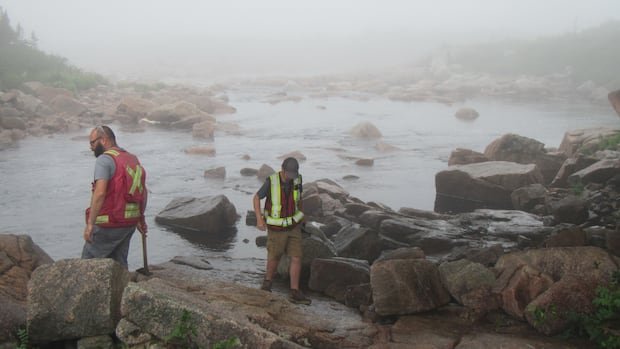

Increasingly intense wildfire seasons pose a significant public safety risk in Newfoundland and Labrador, impacting routine operations in remote areas, including crucial geoscience work for the mining sector. The wildfires can render work sites inaccessible, leading to the reassignment of aircraft meant for transporting scientists, diverting them to aid in firefighting efforts.
This situation has added complexity to the planning and execution of scientific programs, with program directors facing challenges in managing schedules disrupted by the wildfires. Despite these obstacles, Energy and Mines Minister Lloyd Parrott assured that the essential work continues.
The actual spending by the Government of Newfoundland and Labrador on transportation for geophysical surveys in 2025 was $321,800 below the allocated budget, primarily due to reduced helicopter usage caused by the unavailability of resources during the wildfire season.
Geological survey scientists employ drones for fieldwork but heavily rely on helicopters for accessing remote areas, especially in Labrador. However, disruptions in helicopter travel can occur due to adverse weather conditions or wildfire-related resource reassignments.
Minister Parrott acknowledged the temporary reallocation of helicopter resources for wildfire suppression efforts this summer but emphasized that the impact was less severe compared to the previous year. Despite the challenges, the survey’s research and exploration endeavors are progressing.
Amanda McCallum, the executive director of Mining Industry N.L., emphasized the critical role of public geoscience in driving industry investment and de-risking projects. She highlighted the invaluable nature of the data collected, which informs decision-making processes and accelerates discoveries in the sector.
While wildfires have caused adjustments in private sector operations, McCallum noted that industry players have shown resilience by adapting fieldwork schedules to mitigate disruptions. The province is experiencing record-high levels of private spending on exploration activities, signaling a positive trend in industry investment and development.
Mining remains a significant contributor to Newfoundland and Labrador’s economy, with 11 active mines and approximately 8,920 people directly employed in the sector. Despite ongoing wildfire concerns, the current risk level in reported areas is low, with a decrease in the number of fires compared to the previous year.
The collaborative efforts between government agencies and industry stakeholders underscore the importance of continued support for geoscience initiatives, which play a pivotal role in the growth and sustainability of the mining sector in the region.