

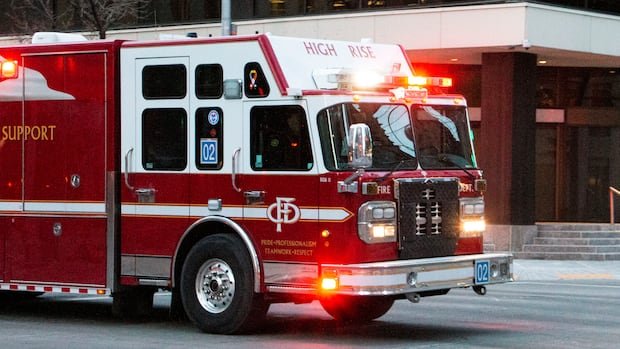

New statistics released by the City of Calgary indicate a significant surge in overdose-related emergency calls for the fire department this year, marking a more than 170% increase compared to the previous year. Fire Chief Steve Dongworth highlighted that this rise in overdose incidents is part of a broader uptick in medical emergencies, putting the department on course to set a new record with an anticipated total of nearly 100,000 calls.
Dongworth emphasized that these overdose calls now constitute around half of all emergency responses, underscoring the evolving responsibilities of firefighters. He acknowledged that this shift poses fresh challenges, affecting service performance and the availability of units to promptly respond to emergencies.
To tackle these challenges, the fire department has been proactively identifying which calls necessitate a fire response. However, Dongworth noted that despite these efforts, the increased demand for assistance in areas such as opioid overdoses has offset the gains made in streamlining responses.
The demanding nature of these emergency calls also takes a toll on staff, with Dongworth acknowledging a rise in members taking leave due to the strain. The department is now seeking additional financial support from the city to address these challenges, with Dongworth stressing the need for increased budgetary allocations. Furthermore, he is urging the provincial government to provide compensation for the surge in medical calls, including those related to overdoses.
In response to these requests, a press secretary for Hospital and Surgical Health Services highlighted that the fire department already receives roughly $300,000 annually through Alberta’s Medical First Response Program. This program supports municipalities that voluntarily offer enhanced medical response services, with local authorities determining the deployment of resources based on community needs.
Addiction specialist and professor Monty Ghosh from the University of Calgary and University of Alberta pointed to fluctuations in the local drug supply as a potential factor driving the rise in overdoses. He noted that the drug supply has evolved significantly, with more potent forms of fentanyl combined with potent animal tranquilizers increasingly found in street drugs. This altered drug composition has complicated overdose responses, requiring larger amounts of naloxone to counteract their effects.
Ghosh suggested that these changes in the drug supply could be contributing to the heightened reliance on emergency services for overdose interventions. He explained that community responders may struggle to manage overdoses effectively, necessitating calls to EMS or fire services for additional support, a scenario that previously could have been handled independently.