

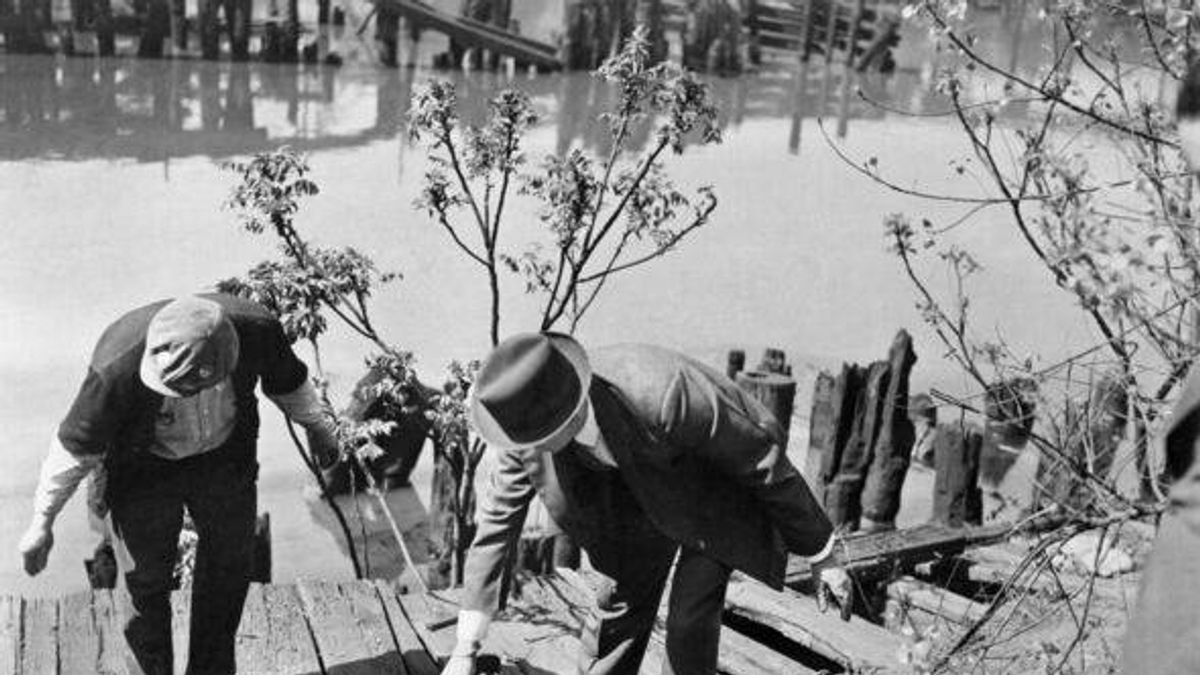

In Cleveland, Ohio, a chilling unsolved mystery surrounds the brutal beheading and dismemberment of more than 12 individuals. The city transitioned from a thriving period in the 1920s industrial boom to the depths of the Great Depression, leaving many unemployed residents seeking refuge in the impoverished Kingsbury Run area, known for its pubs, brothels, and gambling establishments. The unsettling chain of events began in 1934 when parts of a woman’s body were discovered near Lake Erie, earning her the moniker Victim #0 or Lady of the Lake due to the chemical preservation of her skin and the absence of her head.
The community’s terror escalated when the decapitated and emasculated body of 28-year-old Edward Andrassy was found by two teenagers a year later, followed by another male body in the same location. Both victims appeared to have been drained of blood and decapitated while alive. Subsequent discoveries, including Florence Polillo wrapped in newspaper and packed into baskets downtown, revealed a pattern of gruesome killings across the city.
The victims, mostly found as torsos with missing limbs and heads, were displayed with precision that hinted at the perpetrator’s deep knowledge of human anatomy. Despite efforts, including the exhibition of the Tattooed Man’s death mask at the 1936 Great Lakes Exposition, the killer’s identity remained elusive. By the end of 1936, six more murders were attributed to the same assailant within a year, sparking widespread media attention and public fear.
In an unprecedented criminal inquiry, authorities conducted extensive interviews and undercover operations, leading to the discovery of two more dismembered bodies in 1938. Despite a large raid in Kingsbury Run and numerous detentions, no evidence was found against any suspects. The case remains unsolved, with only two individuals, Frank Dolezal and Dr. X (suspected to be Francis E. Sweeney), linked to the murderer. Dolezal died in custody after a conflicting confession, while Sweeney, a surgeon residing near Kingsbury Run, never confessed but checked into a sanatorium coinciding with the end of the murders, as detailed by the Cleveland Police Museum.