

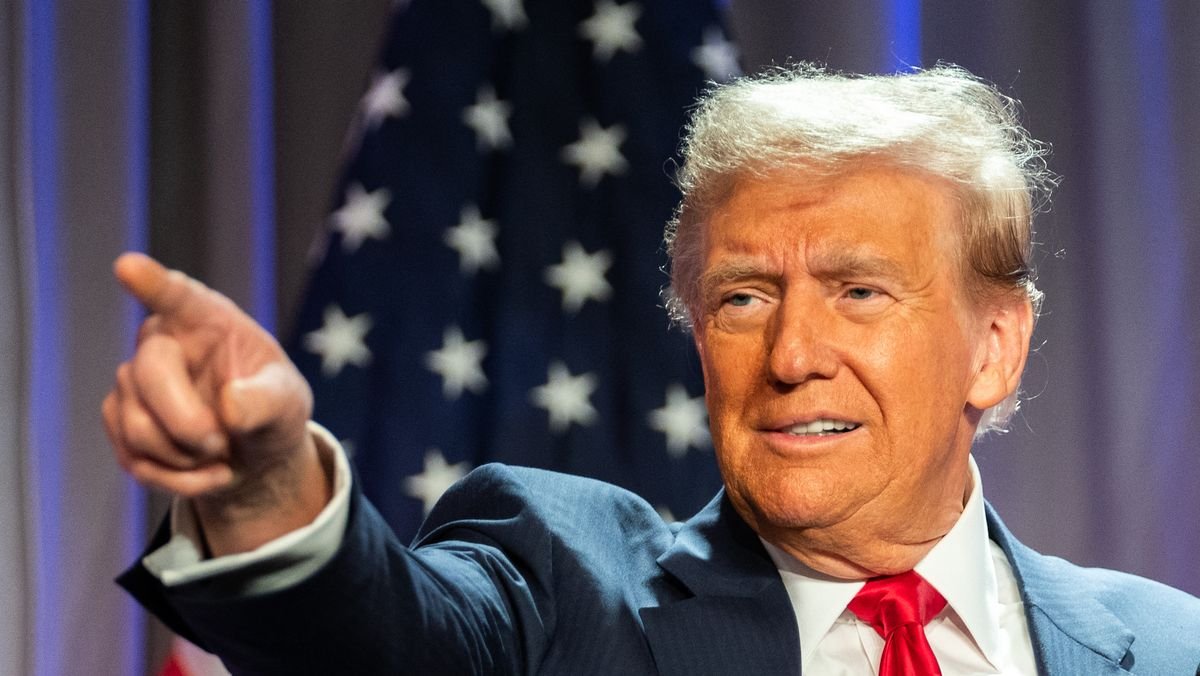

The recent military action by Donald Trump in Caracas, Venezuela, marks a significant escalation in the ongoing tension between the United States and the Latin American nation. Trump’s administration has consistently accused Venezuela of contributing to drug trafficking, leading to the indictment of President Nicolas Maduro on narco-terrorism charges in 2020.
The U.S. government has refused to recognize Maduro as the legitimate leader of Venezuela and had previously offered a $50 million reward for his capture. This stance has enabled the Trump administration to justify military actions without consulting Congress, citing the pursuit of Maduro as part of a larger effort against narco-terrorism rather than a formal act of war.
Statements from key figures, such as Secretary of State Marco Rubio, reinforce the belief that capturing Maduro is not considered an act of war requiring congressional approval. Rubio emphasized that Maduro, whom he referred to as the head of a narco-terror organization, is not the rightful leader of Venezuela, further justifying the military intervention.
Republican Senator Mike Lee has supported the administration’s actions, stating that the military operation was carried out to protect individuals executing an arrest warrant and falls within the president’s constitutional authority to defend against imminent threats. However, the validity of U.S. arrest warrants in a foreign sovereign nation remains a point of contention that has yet to be addressed.
Apart from the narco-terrorism allegations, Trump’s interest in Venezuela extends to his desire for regime change due to Maduro’s authoritarian rule and leftist ideology conflicting with his own. Additionally, Venezuela’s significant oil reserves, controlled by the state-owned PDVSA, present a lucrative opportunity for U.S. oil companies, some of which have supported Trump financially, if there is a change in leadership allowing for increased access to the country’s oil wealth.