


Iran has witnessed a surge in casualties following unrest that erupted on December 28, leading to a violent crackdown by Iranian authorities.
Addressing the nation, Ayatollah Khamenei accused the US President of supporting the rioters, labeling him a criminal for the resulting casualties and damages. He alleged that the US aims to control Iran’s economic and political resources.
The Ayatollah described the protesters as agents of the United States, accusing them of destroying mosques and educational institutions and attributing several thousand deaths to their actions.
The protests initially arose over economic concerns as the government moved to eliminate currency subsidies, triggering inflation. Reports indicate a significant death toll, with varying estimates ranging from thousands to potentially 10,000 casualties, the highest since the 1979 revolution.
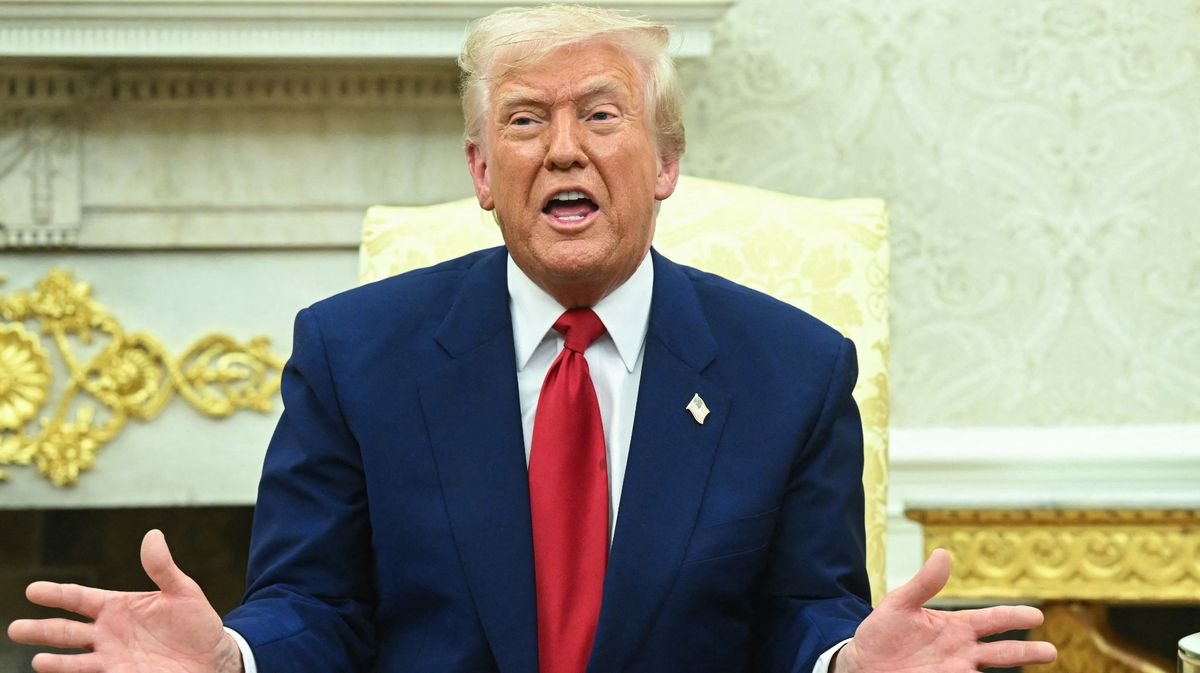
In response, President Trump criticized Ayatollah Khamenei’s leadership, calling for a change in Iran’s governance. Trump’s statements oscillated between confrontation and conciliation, hinting at a possible shift away from military intervention.
Ayatollah Khamenei alleged that rioters possessed imported live ammunition and emphasized the government’s stance against domestic and international offenders, signaling a commitment to address unrest without escalating towards war.
While Iranian officials have accused the US and Israel of instigating the turmoil, Tehran appears relatively calm, with no recent protests reported. The situation remains tense, with Iran’s leadership on alert for further disturbances.