

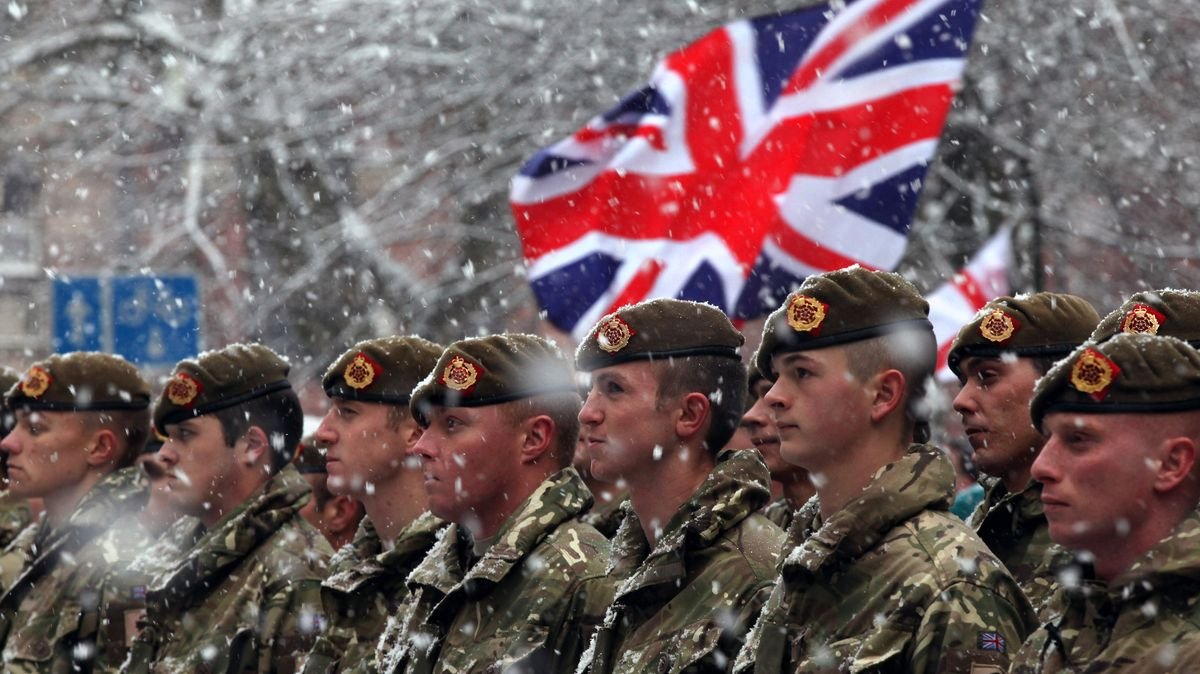

Amid escalating global tensions, the discussion around national conscription has become increasingly relevant. To address this, a new initiative is set to launch in March for Brits under 25, offering a gap year military program. The program aims to enhance army recruitment efforts and provide valuable life skills in light of ongoing concerns related to Russia.
Participants in the scheme will have the opportunity to experience military life and gain transferable skills, with no obligation to commit to full-time service. Those who decide to continue with the Armed Forces will receive additional training for potential deployment in operations.
Reflecting on historical contexts, during World War II, certain essential workers were exempt from conscription to ensure the nation’s crucial infrastructure was maintained. These exempted roles included bakers, farmers, doctors, nurses, and engineers. Additionally, conscientious objectors who opposed combat roles were able to contribute to the war effort through non-combat positions.
In the early stages of World War II, conscription initially targeted men aged 20-22, with later expansions encompassing all men aged 18-41. By 1941, women aged 20-30 and even men up to 51 years old were called for military duties, demonstrating the broadening scope of conscription during the war.
Discussing potential contemporary conscription scenarios, Afghanistan veteran and Tunbridge Wells MP Mike Martin cautioned about the possibility of conflict with Russia, emphasizing the importance of readiness as a deterrent. Martin stressed the significance of military strength in promoting peace and deterring war.
Preparedness, according to Martin, plays a crucial role in preventing conflicts, highlighting the necessity of a strong military to ensure peace. While emphasizing the importance of peace, Martin underscored the role of military strength in maintaining stability.
For any stories or contributions, email julia.banim@reachplc.com.