


Experts have pinpointed five potential triggers for global conflict in 2026 amid growing concerns about Russia’s future actions. Vladimir Putin’s ongoing military campaign in Ukraine, now approaching its fourth year, shows no signs of resolution. Recent worries have surfaced regarding Russia’s significant troop buildup along NATO borders in Belarus.
The Kremlin has faced allegations of various provocative actions over the past year, such as deploying disruptive drones at European airports and military facilities, intimidating naval displays, and issuing aggressive statements through Putin’s close associates. Apart from these concerns, there are other regions worldwide that could become potential flashpoints leading to war, according to reports.
In a bid to confront Venezuelan leader Nicolas Maduro, Donald Trump has dispatched warships, fighter jets, and B-52 bombers to the Caribbean Sea, accusing Maduro of involvement in a ‘drug cartel’ and facilitating illegal migrant entries into the US. Additionally, Trump has authorized strikes against suspected drug traffickers in Central American waters.
Former senior British Army intelligence officer Philip Ingram warned of potential escalation in the Caribbean due to Trump’s substantial military buildup in the region. This concentration of military power could indicate an intention to utilize it, Ingram suggested.
The Gulf of Finland, adjacent to Finland, Estonia, and Russia, has been a focal point of Putin’s attention outside of Ukraine. Recent activities include tampering with underwater communication lines, deploying unmanned aerial vehicles, and providing military escorts to oil tankers evading sanctions in the strategically vital gulf.
Ingram predicted that Putin might exploit this strategic location to divert European focus from the ongoing conflict in Ukraine by intensifying sabotage efforts across the continent. The use of a ‘shadow fleet’ in the Gulf of Finland could be a potential tactic to disrupt NATO operations as demonstrated by past airspace violations.
The Kinmen Islands, housing 150,000 inhabitants, could be a target for Chinese military forces as part of a strategic move to test Taiwan’s resolve. China may seek to gauge international responses by capturing these islands with minimal military effort, possibly leading to a larger invasion.
In the event of an invasion, Donald Trump may intervene due to the historical US commitment to defending Taiwan’s independence. Military intelligence sources from Washington and Taipei have warned of China’s ambition to invade Taiwan by 2027, making the next year critical for South Asia.
Tensions over the vital shipping route of the Strait of Hormuz in the Middle East could have severe consequences for the global economy. Iran’s supreme leader, Ayatollah Ali Khamenei, might consider targeting this crucial route as retaliation, potentially disrupting one-fifth of global oil consumption.
Analysts fear Iran’s potential closure of the strait if tensions escalate internally or externally. A disruption in the Strait of Hormuz could have significant repercussions on the global economy, highlighting the importance of maintaining stability in the region.
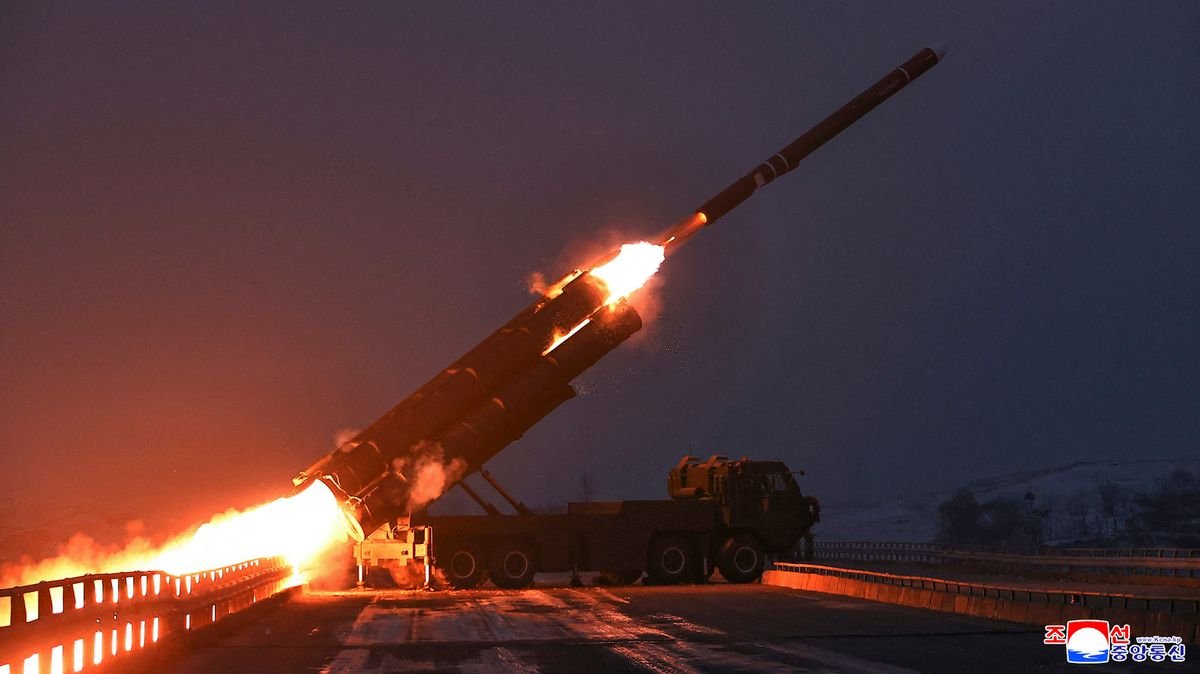
The fragile truce between North and South Korea faces heightened risks as Kim Jong-un showcases military strength amid closer ties with Russia. While this partnership has alleviated a food crisis, it may not guarantee stability as North Korea supplies ammunition and troops for Russia’s conflict in Ukraine.
Kim’s bolstered relationship with Russia and prominent presence at international events could embolden his actions, potentially leading to increased tensions on the Korean Peninsula. Reader-friendly, accurate, and SEO-optimized content.