

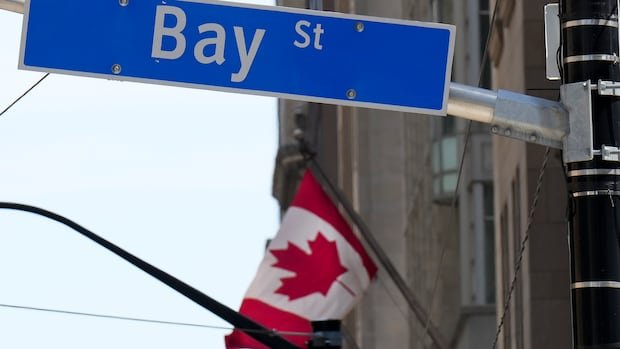

Three major Canadian banks expressed optimistic views on the economy, in contrast to the concerns raised by numerous smaller businesses affected by the ongoing trade war with the United States. Royal Bank of Canada, Toronto-Dominion Bank, and CIBC released their financial results ahead of Thursday’s trading session on the Toronto Stock Exchange. Combined, these banking behemoths hold assets totaling up to $6 trillion, with extensive loan portfolios and client networks in both Canada and the U.S., providing them with a unique perspective on the impact of tariffs.
RBC’s CEO, Dave McKay, highlighted the resilience of the Canadian economy, citing improvements in employment and GDP in the second quarter as reasons for a cautiously optimistic outlook on continued expansion. TD Bank’s CEO, Raymond Chun, mentioned an emerging “super cycle” of investment in Canada, driven by government spending on infrastructure and defense projects. CIBC’s CEO, Harry Culham, expressed measured confidence in the latter part of 2026 and emphasized the importance of monitoring Canada’s labor market for any signs of weakness.
A study by Oxford Economics for the Canadian American Business Council suggested that over 100,000 Canadian jobs could be at risk if the Canada-U.S.-Mexico Agreement (CUSMA) were to be eliminated. BMO Capital Markets projected that the latest round of U.S. tariffs could reduce Canadian growth by half a percentage point, primarily due to weakened business confidence and investment.
The CEOs of National Bank, Bank of Montreal, and Scotiabank also commented positively on the Canadian economy’s resilience and the government’s investment initiatives to support businesses affected by tariffs. Despite trade tensions, shares of Canada’s major banks on the Toronto Stock Exchange have remained near record highs, with the BMO Equal Weight Banks Index ETF surging nearly 50% in the past year.