

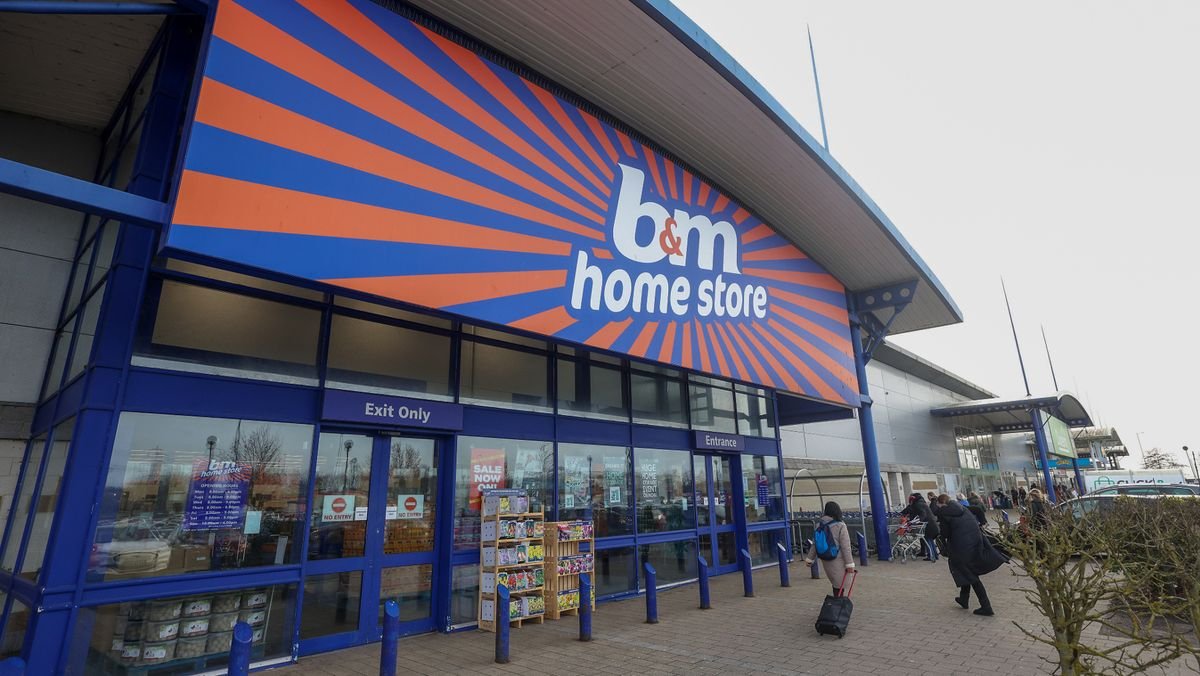

Discount retailer B&M faced its second profit warning in three months due to the necessity of cutting prices to clear excess inventory. The company initiated a “Back to Basics” strategy in October to enhance pricing competitiveness and streamline operations by reducing product offerings across various categories.
In a recent trading update, B&M reported a 0.6% decline in sales from UK stores during the crucial three-month period ending on December 27, which included the festive season. The company’s full-year profit forecast was revised to a range of £440 million to £475 million, down from the previous guidance of £470 million to £520 million, reflecting a substantial decrease compared to the previous year’s earnings of £620 million.
Tjeerd Jegen, the appointed CEO last year, emphasized the ongoing initiatives under the “Back to B&M Basics” plan, focusing on investments to clear discontinued product lines and improve pricing strategies despite short-term financial impacts.
Meanwhile, Waterstones reported a slight increase in annual profits, attributing the growth to effective cost management strategies and margin improvement initiatives to counterbalance rising labor-related costs. The retailer’s total turnover rose from £528.3 million to £565.6 million, with a net profit increase from £45.6 million to £49.7 million.
Furthermore, the tax system in the UK is undergoing changes, with HMRC planning to replace automatic fines with a points-based system for late self-assessment tax returns. The new system aims to impose penalties based on accumulated points, with additional requirements for digital tax reporting under Making Tax Digital for specific income brackets.
In other news, the founder of Wetherspoons highlighted the enduring challenge of a tax disparity between pubs and supermarkets, as the government prepares to unveil relief measures for the struggling pub sector post-pandemic. Additionally, the acquisition of Black Sheep Brewery by the Paramount Retail Group is set to preserve 145 jobs and inject £4.5 million into the brewing industry.
Moreover, a new UK bank, rebranded as This Bank, launched with competitive savings products, offering higher interest rates compared to average market rates. The banking institution provides various savings account options, including fixed-term deposits, catering to different investor preferences.
Overall, economic shifts and industry-specific challenges continue to shape the landscape for businesses across various sectors, prompting strategic adaptations to navigate evolving market conditions and regulatory frameworks.