


Seventy-nine years ago, on January 15, a shocking discovery in Los Angeles captivated the nation and sparked a wave of creative works. The case, known for its extreme brutality and haunting letters to the press, remains one of America’s most infamous unsolved mysteries.
In 1947, a passerby found a woman’s body gruesomely mutilated and arranged in a vacant lot in Leimert Park. The victim, later identified as Elizabeth Short, had been cut in a disturbing manner with precise reassembly and positioning of her body parts. The crime scene indicated signs of torture and meticulous staging.
Autopsy results revealed the extent of Short’s injuries, including severe facial lacerations and shock from head trauma. The killer showed expertise in anatomy by performing a precise hemicorporectomy to divide the body. Despite signs of pre-death injuries and post-mortem mutilation, forensic evidence did not confirm sexual assault.
The Los Angeles Police Department launched a massive investigation involving hundreds of officers and personnel from various agencies. Despite interrogating numerous suspects and receiving false confessions, the case remained unsolved due to a lack of conclusive evidence.
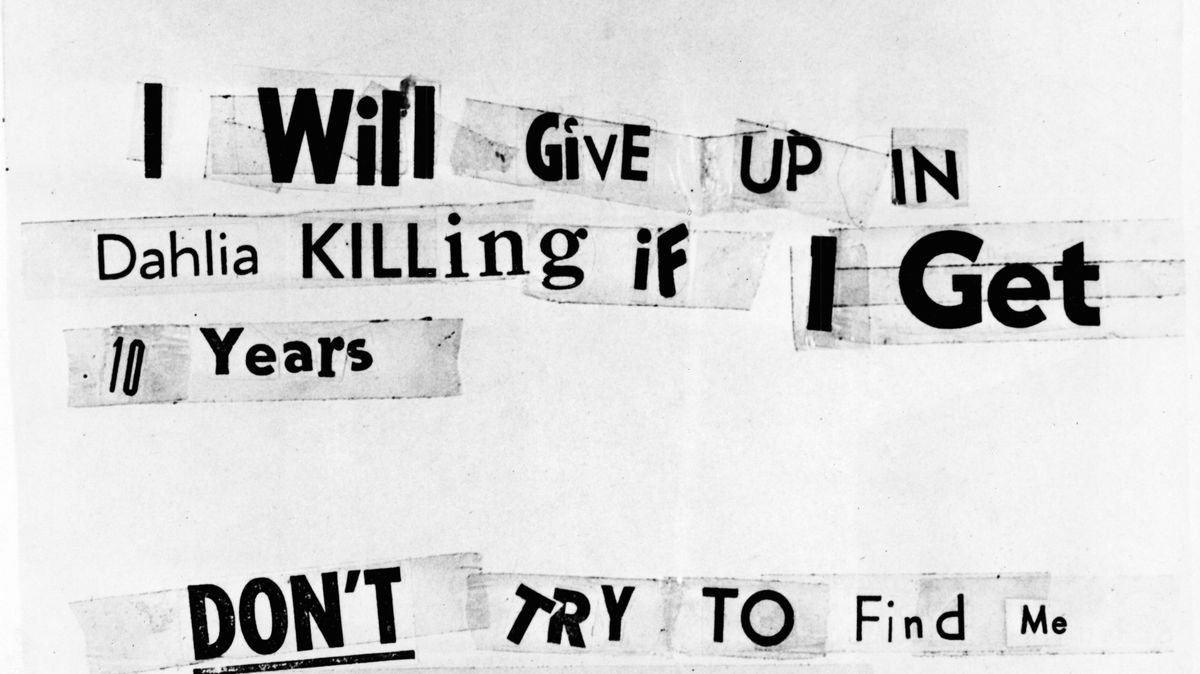
The media frenzy surrounding the case, sensationalized by newspapers dubbing Short the “Black Dahlia,” added complexity to the investigation. Journalists went to great lengths to uncover details about Short’s life, even deceiving her family to extract information. Mysterious letters allegedly from the killer further deepened the intrigue but yielded no breakthroughs.
Authorities eventually admitted a standstill in the investigation, facing criticism for investigative failures. Elizabeth Short was laid to rest in California, her grave becoming a pilgrimage site for true crime enthusiasts. The impact of her murder led to legislative changes, including the creation of a sex offender registry in California.
Short’s tragic story has inspired a multitude of artistic interpretations, from books to films, exploring the dark underbelly of post-war Los Angeles crime. Her legacy lives on through various depictions in popular culture, keeping the mystery of the Black Dahlia alive for decades.