

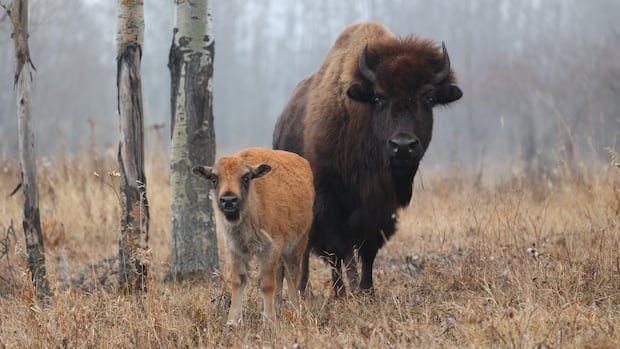

New findings from a recent study on bison DNA shed light on the impact of their near-extinction and subsequent slow recovery on the genetic diversity of the species. The study, which involved sequencing 160 bison genomes spanning 20,000 years, was published in the journal Science and led by paleogeneticist Jonas Oppenheimer and the Paleogenomics Lab at the University of California, Santa Cruz.
The research, involving nearly 40 scientists, aimed to provide insights that could aid in modern conservation efforts. By analyzing the genetic history of bison, researchers hope to enhance the resilience of these animals as they now exist in fragmented and carefully managed populations.
According to Oppenheimer, bison populations today display significant genetic variation based on their herds, unlike the past when they were genetically homogeneous across North America. The study revealed that the genetic bottleneck experienced by bison during their near-extinction led to the current diverse genetic landscape seen in different herds.
The study utilized DNA samples from ancient bison bones and living herds in various locations across Canada and the United States. By sequencing 115 ancient and 45 modern bison genomes and combining them with previously sequenced genomes, researchers created the most extensive genetic map of bison to date.
Chris Jass, a paleontologist, emphasized the importance of ancient DNA in informing modern herd management practices. The study highlighted the distinct genetic differences between wood bison and plains bison, indicating that efforts to preserve them as separate subspecies are crucial.
The research also emphasized the need for conservationists to facilitate genetic exchange among isolated bison herds to prevent inbreeding and protect genetic diversity. By leveraging ancient genomes, herd managers can reintroduce gene flow across landscapes, enabling bison populations to retain their genetic diversity and adapt to changing environments.