

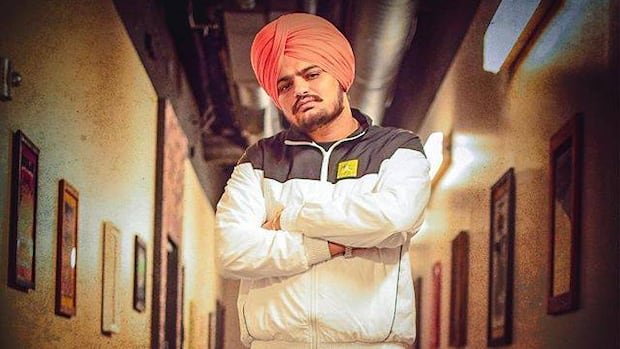

Ravinder Sidhu and his sister Nav made a trip from India to Toronto to attend Sidhu Moose Wala’s Signed to God world tour debut at Scotiabank Arena, spending $550 each on tickets. They anticipated a unique experience as the Punjabi rapper, who started his music career in Canada, tragically passed away in 2022 due to a shooting incident in Northern India. To replace Moose Wala on stage, a hologram was utilized during the show, showcasing the technology’s potential to offer a special fan encounter at a premium cost.
Expressing excitement, Ravinder mentioned to CBC News before the event that the experience might feel futuristic and overwhelming. Another fan, Harry Singh, shared that he paid $270 for his ticket and traveled from California, highlighting that last-minute ticket prices had surged to $1,500, making his early purchase fortunate.
The hologram concert, featuring unreleased music like “Rebirth” and a cameo by the late rapper’s younger brother, left fans in awe. Attendees, including Singh, were captured on video amidst a sea of smartphones, singing along with the hologram performance. Moose Wala’s connection to Brampton, Ontario, where he studied as an international student, was evident in his music, particularly his tribute track “B-Town.”
The emergence of digital-first performances, like the success of Abba Voyage in London, underscores a growing trend in holographic concerts. Alan Cross, a music journalist, noted the intersection of aging rock stars, evolving technology, and audience preferences driving this trend. As technology advances, bringing deceased stars back to the stage through holograms becomes increasingly feasible.
David Nussbaum, from Proto, emphasized the potential of hologram technology to revive stars like Ozzy Osbourne, offering fans interactive experiences in various languages. The evolution of holographic technology, from Tupac Shakur’s digital resurrection at Coachella in 2012 to modern AI-powered holograms, signifies a significant shift in entertainment possibilities.
Proto’s goal is to seamlessly integrate lifelike holograms into various settings, from music performances to healthcare and education. The company’s collaboration with Bon Jovi to create an interactive hologram of Jon Bon Jovi for fan engagement showcases the expanding applications of holographic technology beyond concerts. With advancements in AI and holographic capabilities, the future holds the promise of consumers enjoying holographic experiences from the comfort of their homes.