

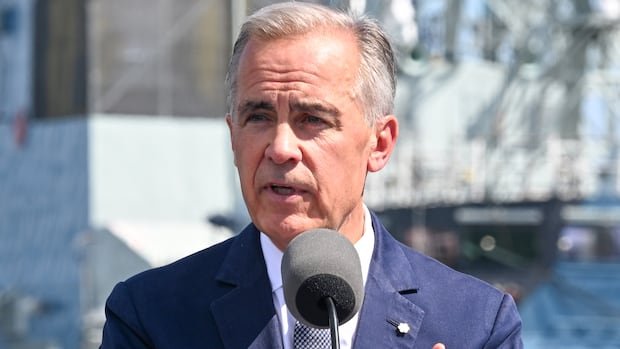

Prime Minister Mark Carney is ready to engage in negotiations with the Trump administration once the U.S. shows genuine interest in a mutually beneficial economic partnership and ceases to view Canada as a subordinate entity. Carney emphasized the importance of approaching the negotiating table with the right attitude toward Canadian industries and fostering a true partnership between the two countries. While acknowledging the existing Canada-U.S. trade agreement (CUSMA), Carney expressed the belief that the deal could be enhanced for the benefit of all parties involved. However, he stressed that any progress would require the U.S. to refrain from threatening the prosperity of Canadian companies and citizens.
After the U.S. team introduced last-minute changes deemed unfair and uneconomic by the Canadian government, Carney announced Canada’s withdrawal from the negotiation table. The demands put forward would have not only limited Canada’s ability to enter into trade agreements with other nations but also posed a threat to the French language through reductions in subsidies to French-language media and bilingual product labeling requirements. Subsequently, approximately $28 billion worth of Canadian exports to the U.S. were subjected to a 50% tariff increase over the weekend.
Regarding the automotive sector, Carney rejected the U.S. proposal, which would have led to a gradual decline in the industry’s standing over time. President Donald Trump announced on social media that tariffs on Canadian automobile products, car parts, and steel would escalate to 50% by January 1, declaring that Canada would no longer receive preferential treatment. Carney viewed this move as part of the U.S. administration’s broader strategy to undermine key Canadian industries such as automotive and aluminum through unfair negotiation terms.
In response to Trump’s tariff threats, Carney highlighted the U.S.’s reliance on Canada for energy, critical minerals, and essential industrial components, contrary to Trump’s assertions. While emphasizing a calm and positive approach, Carney also hinted at potential retaliatory measures if deemed necessary. The prime minister’s visit to Lévis included the announcement of $11.3 billion in funding for Quebec’s shipbuilding industry to construct six new icebreakers for the Canadian Coast Guard using domestically sourced steel.
Despite the tense trade negotiations, Carney affirmed that his team would return to the negotiation table under specific conditions. Meanwhile, U.S. Vice-President JD Vance suggested that talks were ongoing, emphasizing the need for respect throughout the negotiation process. Vance echoed sentiments expressed by President Trump, criticizing Canada’s trade policies and characterizing the country as unappreciative.