

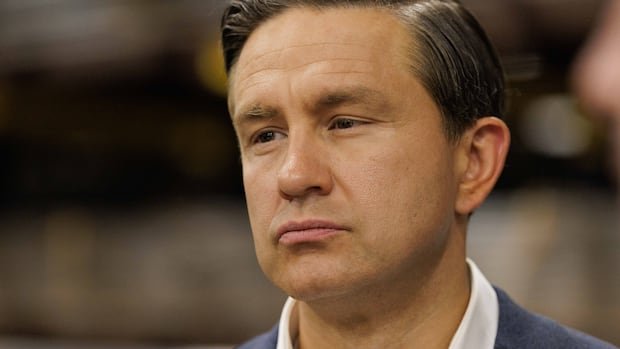

Conservative Leader Pierre Poilievre is urging Prime Minister Mark Carney to reconvene Parliament in order to disclose the details of the rejected U.S. trade deal and provide clarity on the potential impacts on Canadians from his retaliatory measures. In a letter addressed to Carney, Poilievre emphasized the necessity for transparency by releasing the agreement’s text to allow Canadians to assess their available options.
Poilievre also raised concerns about the potential economic repercussions of Carney’s trade and economic strategies, particularly regarding increased costs for essential commodities such as groceries and fuel. Additionally, he inquired about the safeguarding of jobs in steel, aluminum, lumber, and auto manufacturing sectors that are at risk due to impending tariffs.
Carney recently halted trade negotiations with the United States, accusing the U.S. administration of imposing restrictive measures that impede Canada’s ability to engage in trade agreements with other nations. In response, Carney vowed to impose retaliatory tariffs following the implementation of new U.S. tariffs.
Highlighting the urgency of the situation, Poilievre emphasized the critical role of Parliament in holding the government accountable, especially in times of economic uncertainty. He underscored the importance of prioritizing the national interest and expressed readiness to resume parliamentary sessions to address the escalating trade tensions.
The call for transparency was echoed by Canada-U.S. relations critic Shuvaloy Majumdar, who stressed the need for clarity on the rejected deal’s contents. Poilievre emphasized the significance of Parliament in representing the interests of Canadians and urged immediate action to address the unfolding economic challenges.
The U.S. recently imposed 50% tariffs on a range of Canadian exports, prompting Carney to announce retaliatory measures starting on September 8. Carney labeled the deal as unfavorable for Canada, leading to the suspension of trade talks and the imposition of retaliatory tariffs on U.S. goods.
In response to the escalating trade dispute, U.S. President Donald Trump took to social media to critique Canada’s stance. Meanwhile, other opposition parties in Canada supported the idea of government briefings to keep party leaders and MPs informed about the ongoing trade negotiations.
Carney accused the U.S. of introducing last-minute terms that restricted Canada’s trade flexibility and protection of cultural interests during the negotiations. He also revealed that the U.S. proposed tariff reductions on automobiles in exchange for concessions, excluding medium and heavy trucks from the offer.