

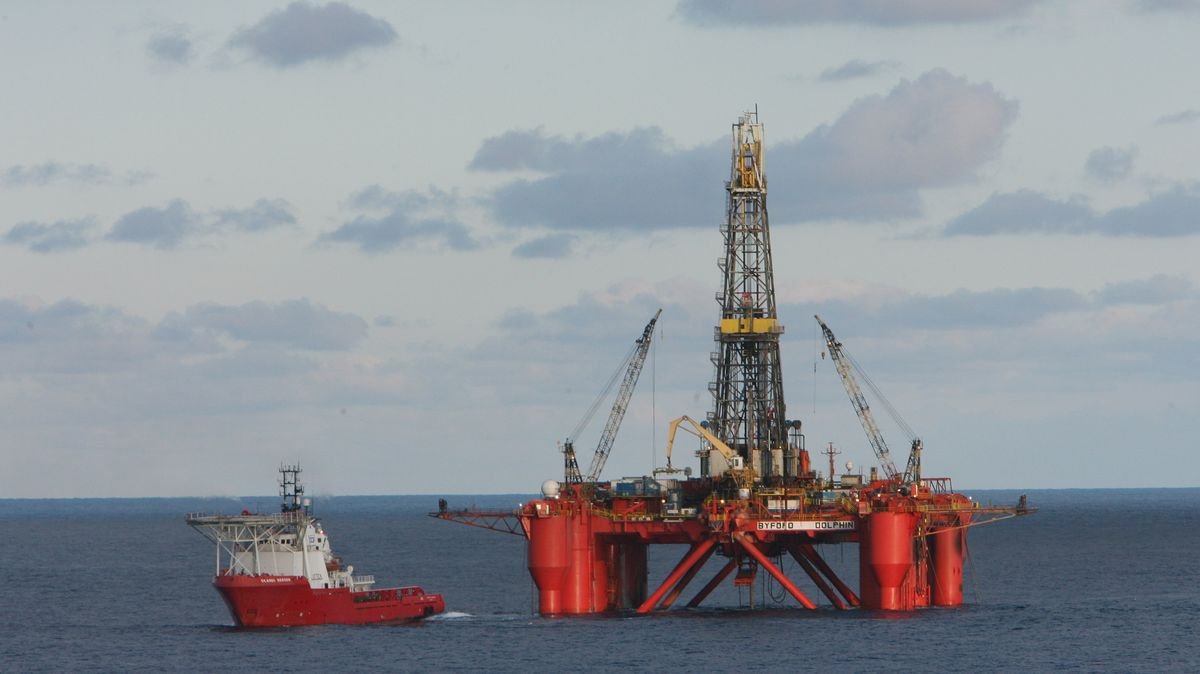

In a tragic incident in 1983, five men met a horrifying death while deep-sea diving on the Byford Dolphin, an oil drilling rig in the North Sea. The divers, along with two tenders, were engaged in a saturation diving mission that required them to stay in compression chambers for 28 days to prevent nitrogen buildup in their bloodstreams.
Saturation diving allowed the divers to spend extended periods underwater without experiencing decompression sickness when resurfacing. The process involved breathing a specific gas blend to adapt to the underwater pressure. However, a fatal mechanical failure occurred when divers Bergersen and Hellevik were returning to the chamber through the diving bell, resulting in a sudden drop in pressure.
This catastrophic event caused the inner crew chambers to depressurize rapidly, leading to the tragic deaths of four divers as their blood nitrogen formed deadly bubbles. The incident also resulted in severe injuries to the survivors, with one man’s organs spilling out due to the intense pressure. An investigation attributed the fatalities to human error, emphasizing the critical need for enhanced diving safety protocols.
The exact cause of the tragedy remains unclear, underscoring the importance of further advancements in diving safety practices to prevent such devastating accidents in the future.