

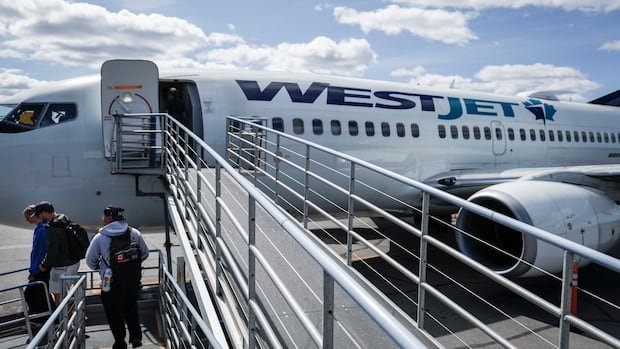

WestJet has reached an agreement to pay $4.5 million to settle a sexual harassment class-action lawsuit that was initiated over ten years ago and involved more than 3,000 flight attendants, as confirmed by the lead plaintiff and her legal representative. The terms of the settlement, which were finalized in June, were approved by a judge in British Columbia on Monday. WestJet expressed satisfaction with reaching a settlement.
The lawsuit stemmed from former flight attendant Mandalena Lewis’s allegations of being sexually assaulted by a pilot during a layover in Hawaii in 2010. Following the initiation of the lawsuit in 2016, additional female employees of the airline came forward, leading to the case being certified as a class action by the B.C. Court of Appeal in 2022. The flight attendants claimed that WestJet had failed to provide a safe working environment with adequate measures to prevent harassment.
Although Lewis expressed relief that the case has concluded, she conveyed dissatisfaction with what she perceived as inadequate justice for the plaintiffs. She highlighted her disappointment with the nominal dollar amount and WestJet’s refusal to admit wrongdoing as part of the settlement terms.
The $4.5 million settlement will be divided among 3,452 flight attendants after deducting expenses, including legal fees, amounting to approximately $400 per flight attendant involved in the lawsuit. Additionally, Lewis mentioned that the judge reduced her honorarium from the agreed $20,000 to $10,000.
WestJet stated in an email to CBC News that it is dedicated to enhancing its operations and training to prioritize the safety and well-being of its employees, aiming to foster a culture of empowerment. As part of the settlement, WestJet is required to engage a third-party consultant to conduct a workplace assessment to determine the prevalence of harassment, address underreporting issues, and improve reporting and response systems.
Lewis described the legal process as a “nightmare,” emphasizing that sexual assault and harassment of female flight attendants persist as deep-rooted issues within the airline industry. She stated her motivation for taking on the case was to address the significant problem faced by herself and other flight attendants.
Regarding WestJet’s handling of the situation, Joshua Coratti, an associate lawyer at Ball Professional Corporation in Toronto, viewed the settlement as advantageous for the airline, as it shields them from individual claims that might have been more costly. He highlighted the potential deterrent effect of such settlements on companies engaging in misconduct.
The settlement represents a significant milestone in addressing workplace harassment issues within WestJet, with implications for broader industry practices and employee protections.