

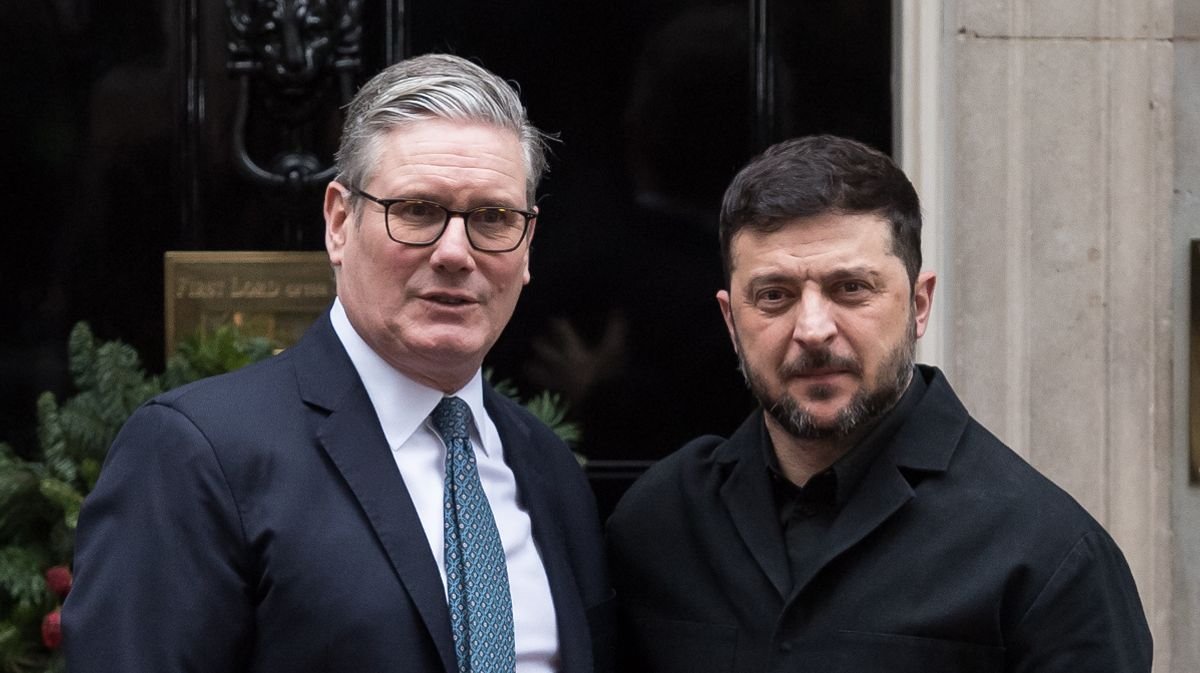

Keir Starmer has confirmed that Members of Parliament will have the opportunity to vote before any deployment of troops to Ukraine in the event of a peace agreement with Russia’s President, Vladimir Putin.
This assurance was given by the Prime Minister during a session in the House of Commons following a joint declaration signed in Paris by the UK, France, and Ukraine’s wartime leader, Volodymr Zelensky. The agreement allows for the presence of military personnel on Ukrainian soil after a ceasefire. Starmer revealed plans for the establishment of military hubs in Ukraine to provide support in defending the country by creating secure facilities for weapons and military equipment.
During today’s Prime Minister’s Questions (PMQs), Starmer emphasized that any decision to send British troops to the region would be subject to a parliamentary vote. He emphasized the need for a legal framework before any deployment, highlighting that troop movements would occur post-ceasefire to enhance Ukraine’s defense capabilities, conduct deterrent operations, and establish protective military bases. Starmer committed to presenting a detailed statement to the House at the earliest opportunity.
Responding to queries from Conservative leader Kemi Badenoch regarding the size and role of the peacekeeping force in Ukraine, Starmer reiterated the necessity of a ceasefire before any deployment. He emphasized that troop numbers would be determined based on military strategies being developed, with full transparency ensured through parliamentary discussions and approval.
Starmer reaffirmed his commitment to parliamentary oversight, stating that a debate and vote in the Commons would be conducted if a “legal instrument” was required for deployment. Reflecting on the international efforts for peace, he underscored the importance of unity among European and American allies alongside President Zelensky, but cautioned that substantial challenges remained, particularly with regard to Vladimir Putin’s actions.
Highlighting the urgency for lasting peace, Starmer condemned Putin’s continued aggression, citing recent attacks on Ukraine that have resulted in civilian casualties and disruptions to essential services. He stressed the need for Putin to demonstrate genuine commitment to peace negotiations, warning against distractions and false allegations that undermine diplomatic efforts.
As progress towards a sustainable peace continues, Starmer emphasized the critical role of international cooperation in achieving a resolution to the conflict, underscoring the importance of holding accountable those who seek to disrupt the path to peace.