

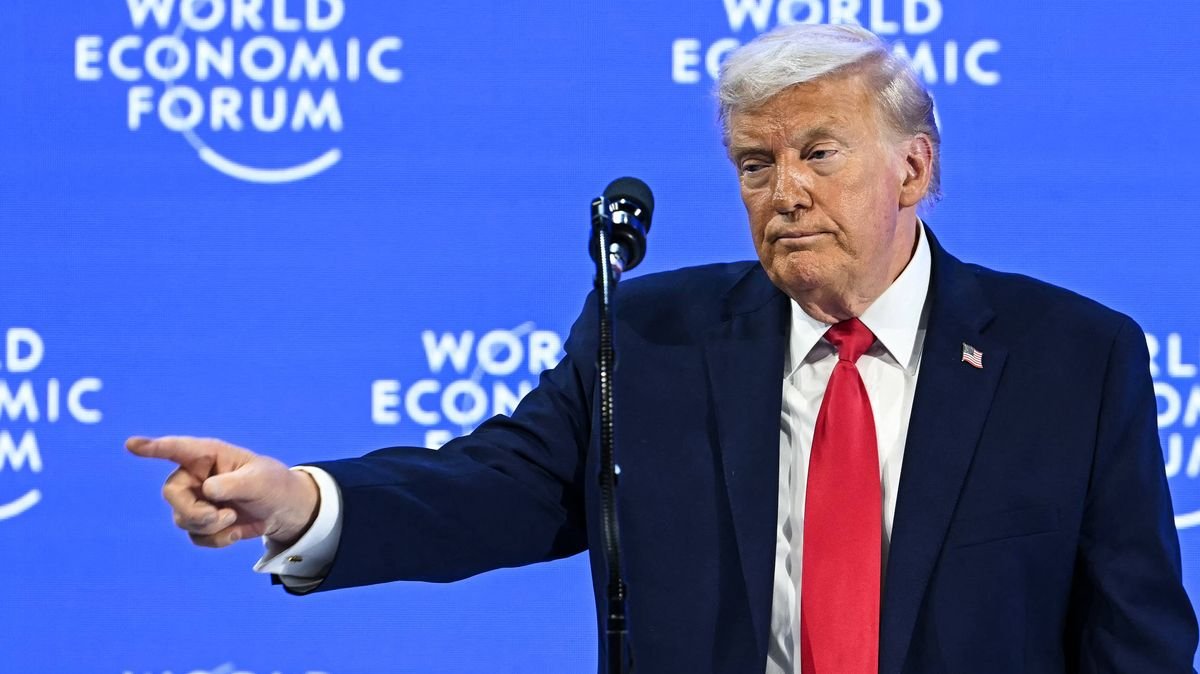

At the recent Davos summit, President Donald Trump’s appearance was anticipated to provide reassurance to the global community. However, his speech turned into a display of self-centeredness and geopolitical ignorance, highlighting the concerning nature of his worldview. Addressing world leaders at the World Economic Forum, Trump seemed more focused on pleasing his supporters and a fictional audience that idolizes him than delivering a coherent foreign policy message.
While the content of his speech was largely overshadowed, the implications were significant. Trump’s performance showcased a lack of true leadership, equating bluster with strength and confusion with power. His fixation on Greenland, portraying it as a potential acquisition akin to a real estate deal, exemplified his misguided approach to international relations.
Greenland’s strategic importance, positioned between North America and Europe with valuable resources and military significance, makes it a key geopolitical asset. Trump’s insistence on American ownership of the island demonstrated his inability to grasp the nuances of global cooperation and the distinction between influence and possession.
His erratic behavior at Davos, including contradictory statements and unrealistic claims regarding Greenland, drew criticism from European leaders and raised concerns about the fragility of the post-war order. The lack of coherence in his approach, shifting from aggressive rhetoric to vague promises of diplomacy, highlighted the unpredictability and unreliability of US leadership under his administration.
While Trump may attempt to spin his Davos performance as a success, the reality is far from it. His actions not only exposed his insecurities but also underscored a dangerous disregard for established norms in international relations. By challenging the principles of alliances, laws, and shared governance, Trump’s approach threatens the stability and trust that underpin global cooperation.
In conclusion, Trump’s misguided handling of the Greenland issue reflects a broader rejection of cooperative relationships, a disdain for established rules, and a prioritization of personal ego over diplomatic order. His actions at Davos serve as a stark reminder of the need for a more multilateral approach to global challenges, particularly in the face of unilateral and erratic behavior from the United States.