

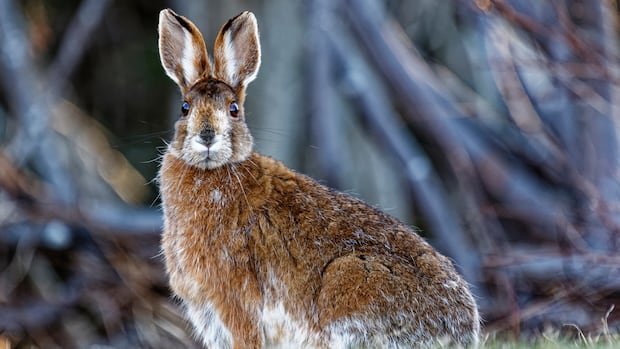

Snowshoe hares have become more abundant in Prince Edward Island following post-tropical storm Fiona, according to a provincial wildlife biologist. Garry Gregory from P.E.I.’s fish and wildlife division mentioned an increase in sightings of what people mistakenly call “rabbits” in their yards, which are actually snowshoe hares, the native species to the province. While there is no official tracking data to confirm the population surge, Gregory believes the changes in the landscape post-Fiona indicate a probable rise in hare numbers.
The storm debris left after Fiona, such as brush piles and fallen trees, has provided ideal escape cover for hares, making them less accessible to predators. This cover has enabled more hares to survive, potentially leading to a population increase. As the debris decomposes and trees shed needles over time, the advantage for hares will diminish gradually.
The storm also facilitated the growth of plants like willows, grey birch, and maples which serve as essential winter food sources for snowshoe hares. The new habitat benefits various wildlife species, including songbirds like chestnut-sided and yellow warblers. While the increased hare population may attract predators in other regions, P.E.I.’s predators are more generalist in their diet.
For Islanders encountering hares in their yards, Gregory advises against feeding them, as they primarily feed on grass and herbaceous plants. Feeding hares can draw them closer to dogs, potentially leading to conflicts. Gregory also addressed concerns about ticks on hares, stating that the tick species commonly found on hares are not the ones associated with Lyme disease and pose minimal health risks unless infestations are severe.
Overall, the surge in snowshoe hares on P.E.I. after post-tropical storm Fiona can be attributed to the altered landscape providing favorable conditions for their survival and population growth.