

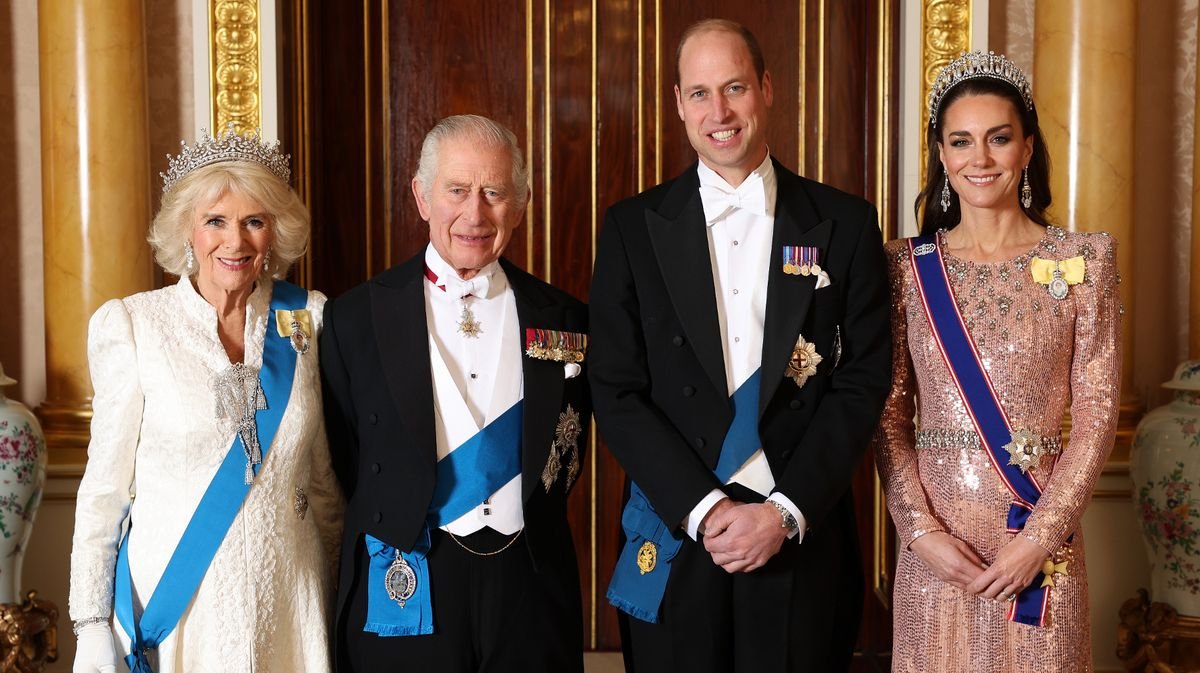

The knowledge of Charles, William, and Queen Elizabeth II regarding Andrew Mountbatten-Windsor’s alleged misconduct, financial activities, trading dealings, and questionable associates has raised significant concerns. Despite public perception of him as problematic, the royal family continued to support and fund him, with the King and Queen providing a substantial loan of £12 million to prevent his involvement in a legal case in the United States.
The deliberate ignorance and leniency towards Andrew’s behavior have enabled him, making attempts to distance him from the family, revoke his titles, and defer to law enforcement decisions unconvincing to those who see through the façade. Consequently, the monarchy is undergoing irreversible changes due to the actions of Andrew and those who enabled him, surpassing the impact of historical events like Edward VIII’s abdication.
Critics, such as the democracy group Republic, highlight the hefty financial burden the royal family places on taxpayers, amounting to over £510 million annually in various forms of support and services. Recent events, particularly revelations linked to Jeffrey Epstein, are shedding light on the monarchy’s inner workings, leading to increased scrutiny and demands for accountability.
The ongoing crisis has sparked discussions about the future of the monarchy, with a growing sentiment that the current model is unsustainable and out of touch with modern values. Calls for a more democratic approach to selecting the head of state, rather than inheriting the position through lineage, are gaining traction among the public and lawmakers.
Political figures like Tony Blair and Keir Starmer have played roles in advising members of the royal family on handling the situation, but the broader issue of systemic shortcomings within the institution remains unaddressed. The public and Parliament are demanding meaningful change and are actively engaging in debates about the monarchy’s future direction.
In the realm of politics, upcoming by-elections, such as the crucial Gorton and Denton contest, are generating significant interest and speculation. The outcome of these elections could have far-reaching implications for various parties and leaders, with tactical voting strategies being closely watched.
Additionally, initiatives to enhance educational support for children with special needs in England are gaining bipartisan support, demonstrating a shift towards prioritizing essential services over cost-cutting measures. Efforts to address the needs of vulnerable children and promote inclusive education are being championed by policymakers across party lines.
In a separate development, the recent actions of Nigel Farage regarding the Chagos Islands have drawn criticism for their lack of foresight and political acumen. His misguided attempts to influence international affairs have been met with derision, highlighting his penchant for sensationalism over substance.
As the dynamics of British politics continue to evolve, the public’s expectations for accountability, transparency, and ethical leadership are shaping the discourse on the future of governance and societal values.