

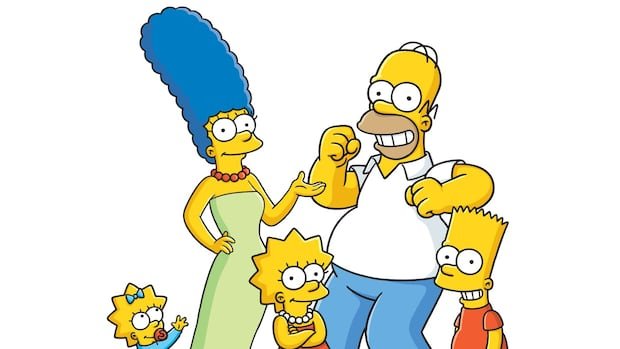

Growing up in Quebec, Joshua Biasotto developed a strong attachment to watching The Simpsons in Québécois French. He cherished the unique dubbing of the show, appreciating the quirky characters, satirical humor, and cultural adaptations that made it special to Quebecers.
However, after 35 years, Corus Entertainment’s Télétoon decided not to renew the Canadian broadcast rights for the 36th season, jeopardizing the future of Les Simpson. Distraught by this decision, Biasotto launched an online petition titled Sauvons le doublage québécois des Simpsons to save the Quebec dubbing of the beloved series.
The Quebec version of the show featured local accents, like joual, and replaced American references with Quebec-specific ones. The cultural and geographical nuances embedded in the Québécois version resonated deeply with fans like Ian Lafrenière, Quebec’s deputy premier, who emphasized the importance of preserving such elements.
Dubbing has long been integral to Quebec’s cultural identity, providing a familiar experience for audiences consuming international content. Daniel Béland highlighted the significance of dubbing in maintaining the province’s language and humor, crucial for connecting with local audiences.
For the voice actors, the potential loss of Les Simpson was deeply personal. Thiéry Dubé, the voice of Québécois Homer Simpson, likened the show’s impact to a cultural staple like poutine, emphasizing its significance to Quebec’s identity.
Fortunately, the petition spearheaded by Biasotto garnered over 35,000 signatures, leading to the revival of Les Simpson in May through a new broadcasting deal with Bell Media. The return of the show not only delighted fans but also highlighted the resilience of Quebec’s dubbing industry.
Elizabeth Pélissier, vice-president of dubbing at difuze, expressed pride in contributing to the show’s revival and emphasized the studio’s role in sustaining Quebec’s dubbing tradition. Despite facing challenges like tighter production schedules, the dubbing industry in Quebec continues to thrive, with an increasing demand for dubbed content.
As Les Simpson makes a comeback, it symbolizes the unwavering support of its fans and the enduring legacy of Quebec’s dubbing culture, showcasing the resilience and creativity of the local industry.