


The G7 countries have reached an agreement to release 100 million barrels of oil, with an initial focus on significant quantities of diesel, in response to the recent surge in fuel prices in the United States. President Donald Trump announced via social media that the diesel release would commence immediately. This decision aligns with the G7’s commitment to initiate a rapid and substantial release of diesel within the next 20 days, followed by a phased release over a period of four months.
President Trump and the Republican Party are under pressure to address the escalating prices ahead of the upcoming Nov. 3 midterm elections. The president’s approval ratings have been declining due to the impact of the Iran conflict and trade disputes on oil and commodity prices in the United States. Despite the steep rise in gas and diesel prices during the prolonged war, President Trump has maintained that these costs are justified in preventing Iran from acquiring nuclear weapons. He has expressed confidence that prices will stabilize post-war, although there is currently no clear end in sight.
In Canada, the average price of diesel stood at $2.63 per litre as of Thursday, with higher prices observed in certain cities like Vancouver, where a litre of diesel was priced around $2.71. The heightened prices are causing strain on transport truck drivers and farmers who heavily rely on diesel to operate their vehicles and machinery.
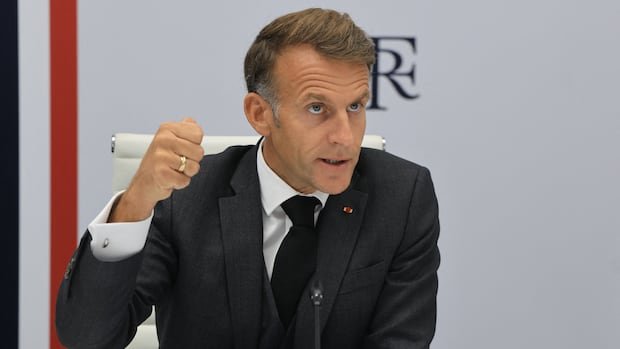
The announcement regarding the oil release was made by France, which currently holds the rotating presidency of the G7 group. The decision was disclosed after a virtual meeting chaired by French President Emmanuel Macron, with participation from G7 member countries including Canada, France, Germany, Italy, Japan, the U.K., and the U.S., along with representation from the EU. The International Energy Agency will oversee the coordinated effort to address the soaring fuel prices.
The release of 100 million barrels of oil and products follows a previous announcement in March by International Energy Agency member countries to release 426 million barrels in order to stabilize the oil market. President Trump also recently suggested the possibility of banning diesel exports to lower gas prices for American consumers. However, experts caution that such a move could have adverse effects on the global fuel market and further drive up prices worldwide.
The G7 statement clarified that while the group, including the U.S., has agreed to release oil reserves, they have also committed not to restrict energy exports among themselves. The statement emphasized refraining from imposing bans on energy exports that could worsen market tensions.
A conversation between President Trump and President Macron highlighted the urgency to address the rising fuel prices and ensure the availability of petroleum products. A recent AP-NORC poll revealed that a majority of U.S. adults hold President Trump responsible for the price hikes, with his approval ratings on economic handling hitting a new low.