

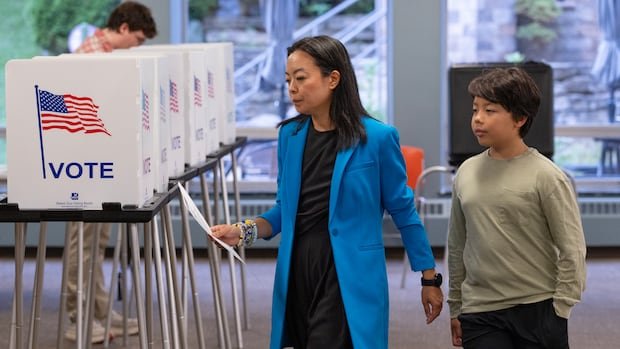

As the United States approaches the midterm elections, a challenging primary season has deepened the divide between the emerging progressive and centrist factions within the Democratic Party. The outcome will not only impact Congress in November but also potentially influence the 2028 presidential race.
Centrists advocate for candidates promoting moderate and practical policies as the key to winning seats from Republican control. In contrast, progressives argue that uninspiring establishment candidates will not energize a coalition of young people, working-class individuals, and diverse voters essential for the party’s success.
Hans Noel, an associate professor of Government at Georgetown University, highlighted the difficulty in determining which faction appeals more to voters. While progressive candidates may alienate some traditional Democratic voters, they also have the potential to attract new voters, including those who may not have previously participated in elections.
Primary elections have seen victories and defeats for both sides. In Wisconsin, moderate David Crowley secured a narrow win over progressive Francesca Hong in the primary for governor. Hong faced challenges due to past controversial statements advocating for defunding the police and other issues. Additionally, progressive candidates faced setbacks in Washington and Missouri but achieved success in Michigan.
Progressive candidates like Abdul El-Sayed have campaigned on platforms such as medicare for all, campaign finance reform, and ending military aid to Israel. El-Sayed’s victory in Michigan, despite facing significant financial opposition, exemplifies the growing influence of progressive voices within the party.
The discontent among young voters towards the Democratic Party’s leadership has been evident. Progressive wins, including El-Sayed’s, signal a shift in party dynamics as voters seek candidates who are more combative and aligned with their values.
While progressives reevaluate their positions to appeal to a broader voter base, moderate Democrats stress the importance of winning swing states. The debate over the party’s direction continues, with concerns about the balance between progressive passion and moderate appeal in general elections.
As the midterms approach, the Democratic Party faces a critical juncture. Challenges from both progressive and centrist candidates reflect the party’s diverse viewpoints and strategies. The outcome of the elections will determine the party’s trajectory and its ability to resonate with voters across the political spectrum.