

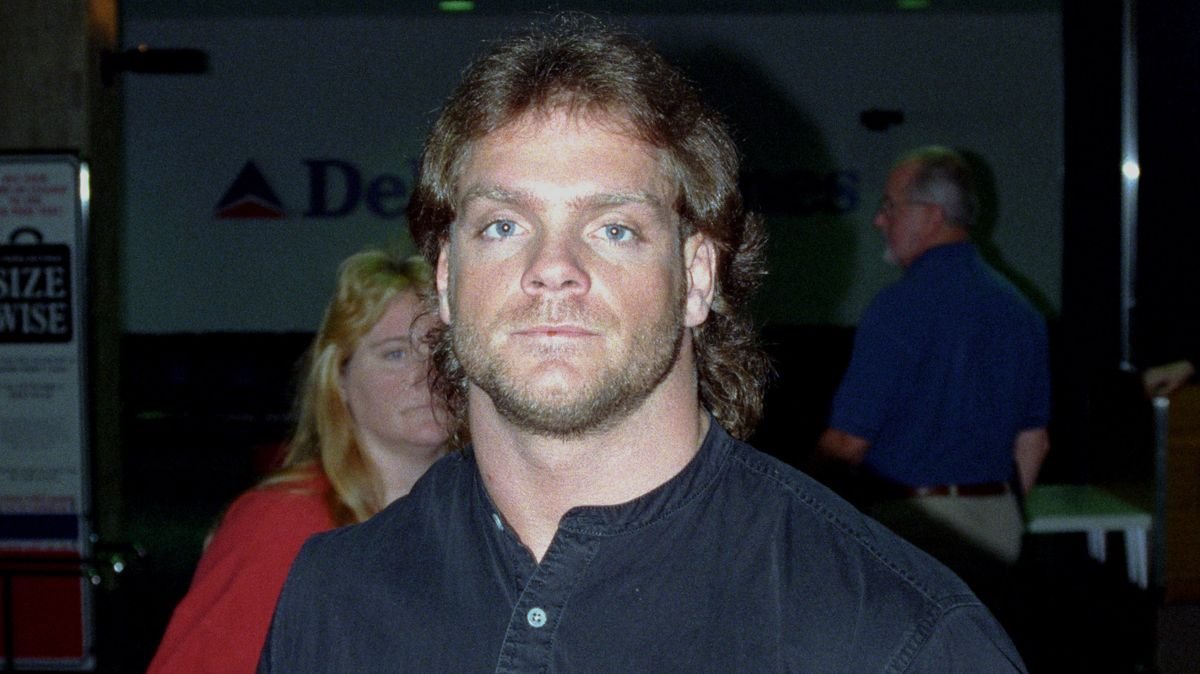

The wrestling world was stunned in 2007 by the tragic murder-suicide involving WWE star Chris Benoit. The former world champion wrestler, aged 40, was found deceased in his Georgia home alongside his wife, Nancy, 43, and their seven-year-old son, Daniel. Benoit committed the heinous acts of strangling his wife, smothering his son, and ultimately taking his own life.
Questions lingered for years regarding how a respected athlete could perpetrate such horrific violence. Medical examinations of Benoit’s brain post-mortem revealed severe chronic traumatic encephalopathy (CTE), a condition associated with repetitive head injuries. Neurologists likened his brain to that of an 80-year-old with Alzheimer’s, linking CTE to explosive rage, paranoia, depression, and impulsive actions.
Having endured over 20 years of physical strain in the ring, Benoit exhibited signs of emotional instability and withdrawal, alarming those close to him. Prior to the tragedy, his erratic text messages hinted at confusion and detachment, consistent with severe brain trauma. However, experts caution that while CTE can influence behavior, it does not inherently induce violence.
Despite the common occurrence of head injuries, Benoit’s case suggests that CTE may have overridden his inhibitory impulses. The investigation following the event uncovered distressing details, such as Nancy’s body positioned with a knee in her back and a cord around her neck, with no signs of struggle. Daniel, Benoit’s youngest child, was found suffocated in his room, possibly drugged with Xanax, and speculated to have Fragile X Syndrome.
Moreover, investigators noted potential signs of human growth hormone use on Daniel, reflecting Benoit’s misguided attempts to address his son’s perceived small stature. Following this tragedy, the wrestling industry implemented stricter concussion protocols and reduced risky maneuvers, acknowledging the grave consequences of head injuries.