

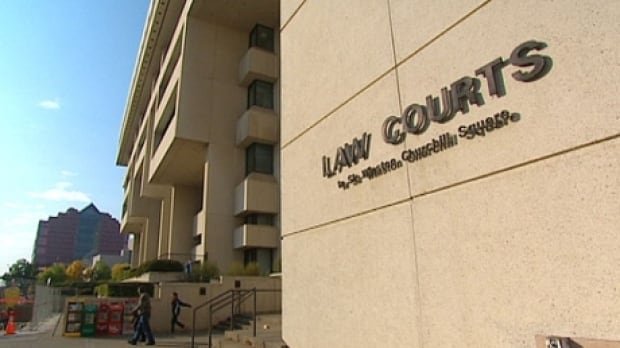

The Alberta Court of Justice has decided to rename the reports used by judges to assist in understanding the backgrounds of Indigenous individuals facing sentencing. The term “Gladue report” will be replaced with “Indigenous background report.” This change aims to better convey the purpose of these assessments without altering the content or the process of researching and writing the reports.
Originally stemming from a 1999 Supreme Court of Canada ruling involving Jamie Tanis Gladue, the reports offer sentencing judges insights into an Indigenous offender’s personal, familial, communal, and systemic context, including the impact of colonialism and intergenerational trauma on their circumstances. The Supreme Court had ruled that Indigenous sentencing considerations apply to all Indigenous offenders, regardless of their residence status.
The new name will take effect on September 1 following consultations with the Gladue family members, Indigenous leaders, organizations serving Indigenous communities, and other stakeholders associated with the court. Jackson Mirasty, a criminal defense lawyer in Edmonton, emphasized that the purpose of these reports is to provide judges with a comprehensive understanding of an offender’s background to assess moral culpability for determining appropriate sentences.
Mirasty highlighted that the reports delve into various factors such as experiences with residential schools, childhood adversities, substance abuse, family dynamics, cultural dislocation, and involvement with child welfare services. The goal is not to grant special treatment to Indigenous offenders but to ensure that judges consider the circumstances that may have influenced an individual’s actions.
In conducting these assessments, Mirasty engages in detailed interviews with the individuals facing sentencing, exploring their upbringing, family dynamics, community involvement, educational background, experiences with violence or abuse, and interactions with child and family services. These dialogues can often lead to revisiting deeply distressing experiences, as Mirasty recounted a poignant conversation with an elderly woman about her traumatic time in residential school.
While acknowledging the court’s intent to distance the reports from the Gladue family name, Mirasty raised concerns about whether the term “Indigenous background report” accurately represents the underlying reasons for their existence. He cautioned that the new name might suggest that the factors under consideration are inherent to Indigenous people rather than stemming from Canada’s colonial history.
The Alberta Court of Justice clarified that the name change is aimed at using accurate, thoughtful, and respectful language while upholding the significance of these assessments. Mirasty believes that the alteration in name is unlikely to impact the sentencing outcomes for Indigenous offenders; however, it may influence public perceptions and distinguish the reports from the Gladue family name, which often contain narratives of trauma, abuse, and familial challenges. The court assured that the assessment process itself remains unchanged despite the renaming.