

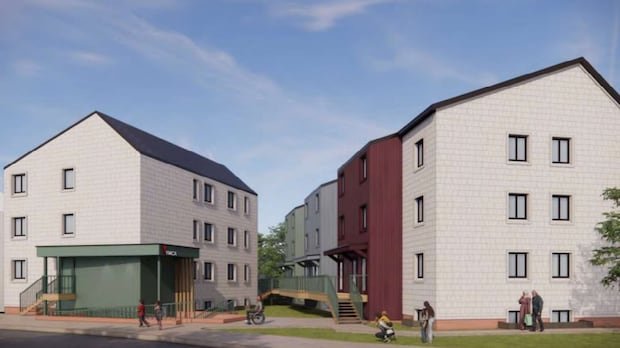

A proposed affordable housing project in Amherst, Nova Scotia, is facing a delay due to an appeal, halting the start of construction on the apartment complex. The YMCA of Cumberland intends to build 36 units across two buildings on Albion St., with plans for their housing outreach staff to be stationed in one of the buildings. A third of the units are designated for supportive housing pending provincial funding.
Trina Clarke, the CEO of the YMCA of Cumberland, expressed understanding of the delay, stating that they anticipated such challenges but remain confident in their development process. The Amherst town council previously approved the development agreement with a 4-2 vote in July, with Councilors Dwayne Ripley and Nic Furlong dissenting.
The appeal was filed by Amherst resident Ray Hickey on Aug. 4, citing concerns about the impact of supportive housing and office space on the community, including issues affecting local businesses, services, and residents. Hickey highlighted existing problems such as public drug use and safety concerns, exacerbated by a fatal shooting earlier in the year near an emergency shelter and supportive housing units.
Ashley Legere, the executive director of the Cumberland Homelessness and Housing Support Association, emphasized community engagement efforts following the shooting incident. Legere pointed out challenges in addressing issues on private properties due to liability concerns but acknowledged the importance of initiatives like the YMCA project in addressing the housing crisis.
Hickey raised objections regarding the lack of amenity space in the development, alleging a violation of the municipal planning strategy. While plans include a shared outdoor space between the buildings, the absence of balconies falls short of the minimum amenity space requirements in the bylaw. Despite this, town planning director Andrew Fisher defended the adequacy of the proposed amenity space, noting alternative options like nearby parks for residents.
Trina Clarke estimated that the appeal could postpone construction by up to a year, potentially impacting the organization’s efforts to address the growing homelessness crisis. Clarke highlighted the urgent need for such developments to proceed without delays, considering the escalating housing challenges faced by the community.