

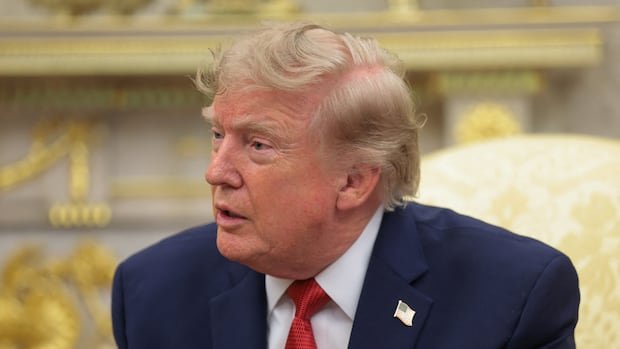

U.S. President Donald Trump made a last-minute announcement on Tuesday evening, revealing a three-day halt to the planned 50% tariffs on various Canadian goods just hours before they were set to be imposed. The president stated in an initial online post that the tariffs would be delayed due to progress in negotiations between Canada and the U.S., hinting at a potential trade agreement.
A subsequent White House statement justified the suspension as being in the public interest, citing Canada’s willingness to address trade concerns that had prompted the tariff threats. Prime Minister Mark Carney echoed the sentiment, describing the delay as an opportunity to continue trade discussions and highlighting the need for further work.
The tariffs, which were originally scheduled to take effect early Wednesday morning, would have impacted a wide range of products valued at over $28 billion, including plywood, cement, wine, and hockey equipment. The postponement offers relief to businesses on both sides of the border, alleviating concerns about disruptions to supply chains and increased costs for consumers.
While the temporary reprieve allows for continued negotiations, the long-term status of tariffs remains uncertain. Trump did not confirm whether a finalized deal would result in the permanent cancellation of the levies. Discussions between Canadian and American trade representatives have been intensive, with efforts to bridge gaps and reach mutually beneficial agreements.
The negotiations have focused on various contentious issues, including the potential tariffs on Canadian automobiles destined for the U.S. market. Both sides have been engaged in intense talks to address trade imbalances and seek fair resolutions. The outcome of the discussions will have implications for numerous sectors and industries affected by the ongoing trade dispute.
As the deadline looms, stakeholders are closely monitoring developments and preparing for potential outcomes. The evolving trade landscape underscores the importance of finding common ground and resolving trade disputes in a manner that promotes economic stability and growth.