

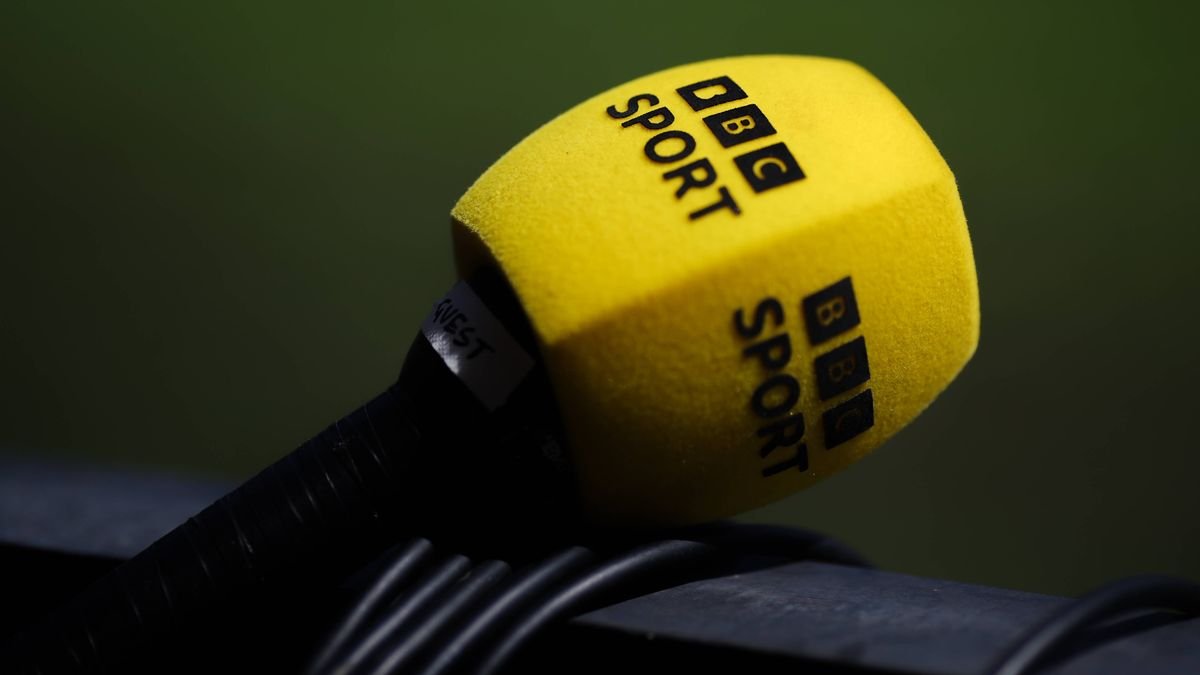

Channel 4 has secured the television rights for the prestigious Boat Race, marking the first time in almost a century that the BBC will not broadcast the event on TV or radio. Times Radio has also acquired the radio rights until 2028. The Boat Race, a historic rowing competition between Oxford University and Cambridge University on the Thames, has been a staple on BBC since the mid-1920s when it was first aired on the radio and later on television in 1938. However, this year’s race, scheduled for April 4, will now be available through different platforms.
While the BBC has previously faced interruptions in its coverage of the event, such as ITV broadcasting the race from 2005 to 2009, this is the first time the BBC will not air the Boat Race in any format. The decision follows reports that the BBC’s director of sport, Alex Kay-Jelski, expressed little interest in obtaining the rights, citing concerns about the race being perceived as elitist. The shift in broadcasting rights comes as the BBC has experienced a decline in viewership for the Boat Race amid rising production costs.
Kay-Jelski, who assumed the role at BBC Sport in 2024, has steered a change in the network’s strategy, relinquishing rights to events like the Commonwealth Games in addition to the Boat Race. Internal doubts have emerged regarding the BBC’s future coverage of events like Wimbledon and the Six Nations, with Kay-Jelski emphasizing that live sports coverage might not be essential for the broadcaster to remain relevant. Times Radio’s acquisition of the Boat Race rights includes promotional agreements across the News UK network.
Siobhan Cassidy, Chair of The Boat Race Company, expressed contentment with the new partnership with Times Radio, highlighting shared values of heritage, tradition, precision, and quality. The collaboration aims to deliver live coverage and supporting content of this year’s race and future events. Additionally, the Cheltenham festival offers a free shop bet inside a racing paper every day, with expert insights available for enthusiasts. Terms and conditions apply, and readers are encouraged to check the paper for details.
The evolving media landscape has prompted broadcasters to rethink their strategies, as Kay-Jelski suggested that maintaining relevance in the digital age does not solely rely on live sports coverage but also on engaging content across various platforms. The move away from traditional broadcasting models underscores the shifting dynamics in media consumption and audience engagement.