

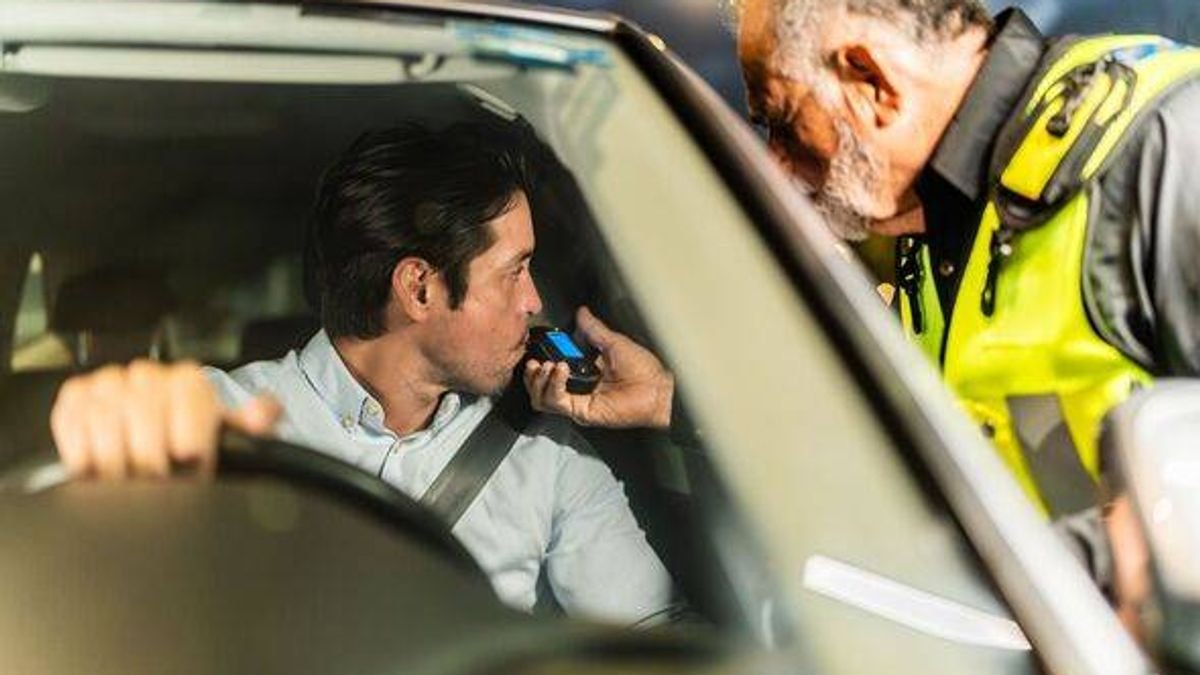

A member of the Labour party has expressed firm support for reducing the drink-drive limit, stating that action needs to be taken to address alcohol-related road fatalities. Transport minister Lilian Greenwood shared that she was deeply moved by discussions with families affected by tragic car accidents, leading to a decision to strengthen regulations.
In contrast, Nigel Farage criticized the proposed lower limit, deeming it “ridiculous” and highlighting potential negative impacts on rural pubs. Greenwood stressed the urgency of the situation, citing the alarming number of deaths caused by drunk driving incidents and the need for preventive measures.
The new road safety strategy introduced by Labour aims to align England and Wales’s drink-drive limit with Scotland’s standards, potentially reducing the permissible alcohol level from 35 to 22 micrograms per 100 millilitres of breath. This adjustment could result in even a single pint pushing individuals over the limit, depending on factors such as age, weight, and gender.
Additionally, the Department for Transport plans to explore the possibility of implementing a lower limit for novice drivers. The strategy also includes the introduction of “alcolocks” for convicted drink-drivers, breathalyzer devices that can prevent vehicles from starting, and potential random police checks to detect alcohol-impaired drivers.
Recent statistics revealed that in 2023, one out of every six road fatalities involved drink driving. The family of Lillie Clack, a victim of a fatal drink-driving crash, expressed support for the proposed measures. Furthermore, a Labour party representative challenged Nigel Farage’s opposition, emphasizing the importance of governmental action in combating drink driving.
While concerns have been raised about the impact on the pub sector, studies suggest that similar measures in Scotland did not significantly affect the trade. The British Beer and Pub Association assured its commitment to promoting responsible drinking and supporting anti-drink-drive initiatives, despite acknowledging the challenges faced by pubs, especially in rural areas.