

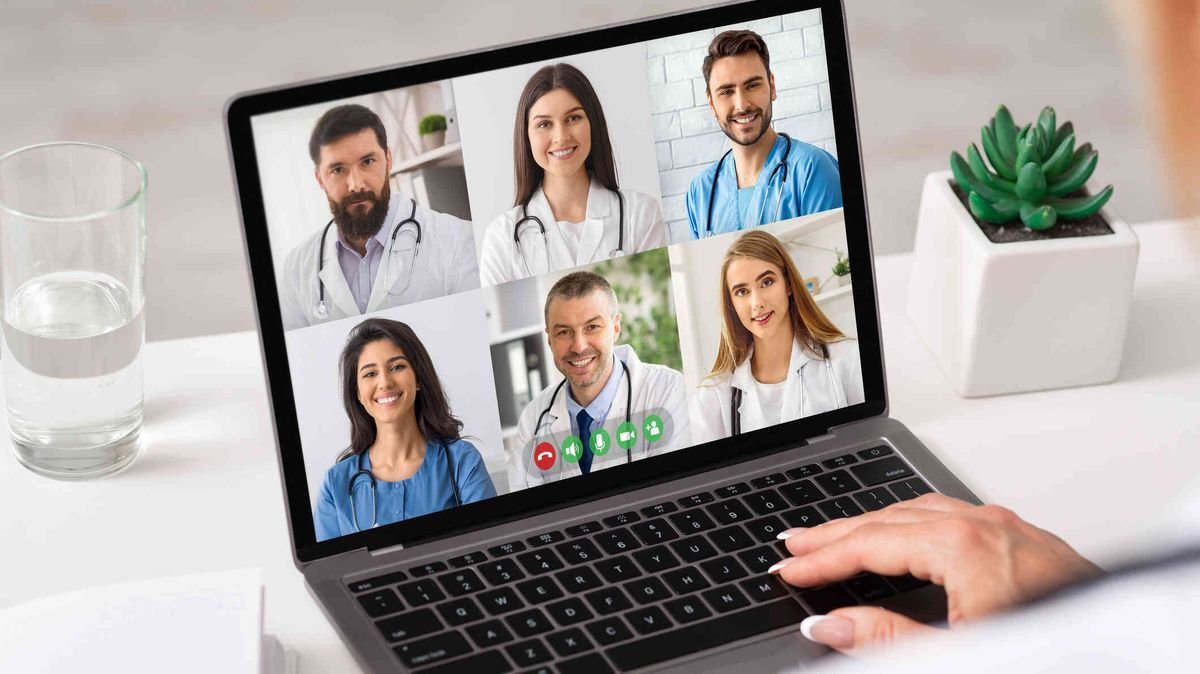

Patients will soon have access to specialized care for prostate issues, menopause symptoms, and eye conditions through newly established NHS Online hospitals. Upon referral from their general practitioners, individuals can engage with specialists via video consultations using the NHS app. This initiative aims to expedite access to specialized treatments, reduce waiting times, and enable patients to consult with doctors nationwide without unnecessary hospital visits.
During a speech at the Labour conference in September, Keir Starmer emphasized the forthcoming changes in healthcare services, declaring the arrival of a transformative era. The NHS recently announced that nine common health conditions will be the initial focus of the NHS Online service, set to commence next year. These conditions include women’s health concerns like severe menopause symptoms, menstrual issues signaling endometriosis or fibroids, as well as prostate problems such as prostate enlargement and elevated PSA levels. Additionally, the service will cover eye ailments like cataracts, glaucoma, and macular degeneration, along with other conditions like iron deficiency anemia and inflammatory bowel disease.
While tests and procedures will still be conducted at local healthcare facilities, clinicians will be able to remotely review patient records under the new system. Patients will retain the option for face-to-face appointments, ensuring those needing physical examinations or procedures can receive appropriate care at hospitals or nearby hubs.
Dr. Sue Mann, NHS England’s national clinical director for women’s health, stressed the importance of providing swift and effective treatments for menstrual problems and menopause symptoms, which can significantly impact women’s lives. The NHS App, accessible on smartphones and tablets, enables patients to manage prescriptions, appointments, and view health records, enhancing convenience and accessibility to healthcare services.
This development is part of a broader effort to enhance patient care, streamline healthcare processes, and improve overall health outcomes for individuals across the country.