

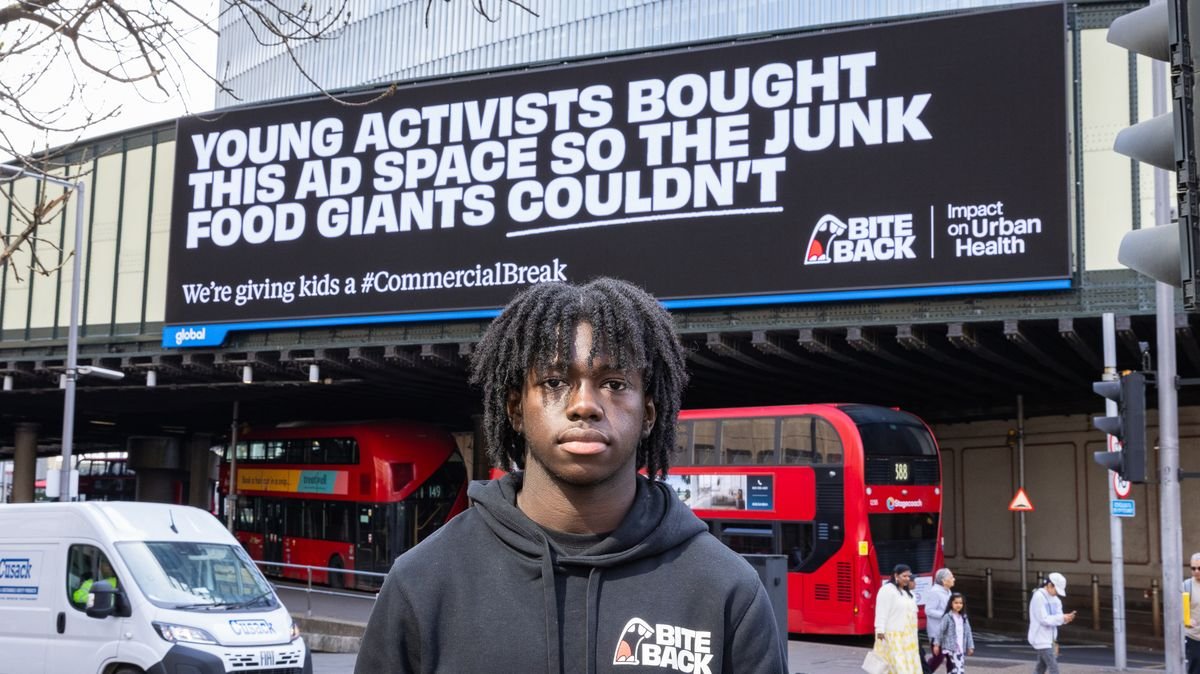

A significant portion of the British population, around 49%, believes that the Government needs to step up its efforts in safeguarding children’s health by imposing stricter regulations on junk food advertisements targeting kids. Today marks the implementation of new measures aimed at reducing child obesity, including restrictions on online and pre-watershed TV promotions for unhealthy food and beverages.
Products such as soft drinks, chocolates, sweets, pizzas, and ice creams will be affected by these restrictions, with the possibility of extending to breakfast cereals, porridges, main meals, and sandwiches. While advertisements for basic porridge oats and certain healthier versions of muesli and granola will remain permissible, those containing added sugar, chocolate, or syrup may face limitations.
A recent survey by Bite Back, a youth-led charity, in partnership with More in Common, indicates that a majority of adults, 67%, find it unacceptable for food companies to target children with junk food ads. Additionally, over half of the respondents expressed the view that outdoor advertising mediums like billboards and public transport platforms should also be regulated to prevent the promotion of unhealthy food to children.
Bite Back has raised concerns about the disproportionate targeting of deprived communities with outdoor junk food advertisements compared to wealthier areas, potentially exacerbating health inequalities. Campaigners emphasize the need for more stringent actions to address the pervasive nature of junk food marketing, especially in outdoor spaces and digital platforms where children are frequently exposed.
Statistics reveal alarming rates of childhood obesity and tooth decay, underscoring the urgency of prioritizing children’s health. D’Arcy Williams, Chief Executive of Bite Back, commended the initial steps taken but emphasized the necessity of closing advertising loopholes and implementing broader food policies to foster healthier environments for children.
The new regulations, following a voluntary ban initiated on October 1, are expected to eliminate a substantial number of unhealthy food advertisements targeting children, contributing to a significant reduction in childhood obesity cases and delivering substantial health benefits over time. Health Minister Ashley Dalton lauded the measures as crucial in promoting healthier dietary choices and preventing health issues, aligning with the government’s commitment to ensuring a healthier future generation.
By curbing junk food advertisements before 9 pm and prohibiting paid promotions online, the government aims to reduce children’s exposure to unhealthy food options, thereby facilitating informed decisions for parents and fostering a healthier lifestyle for children. The focus is on preventative healthcare measures to mitigate sickness and promote overall well-being, ensuring a sustainable healthcare system for future generations.