

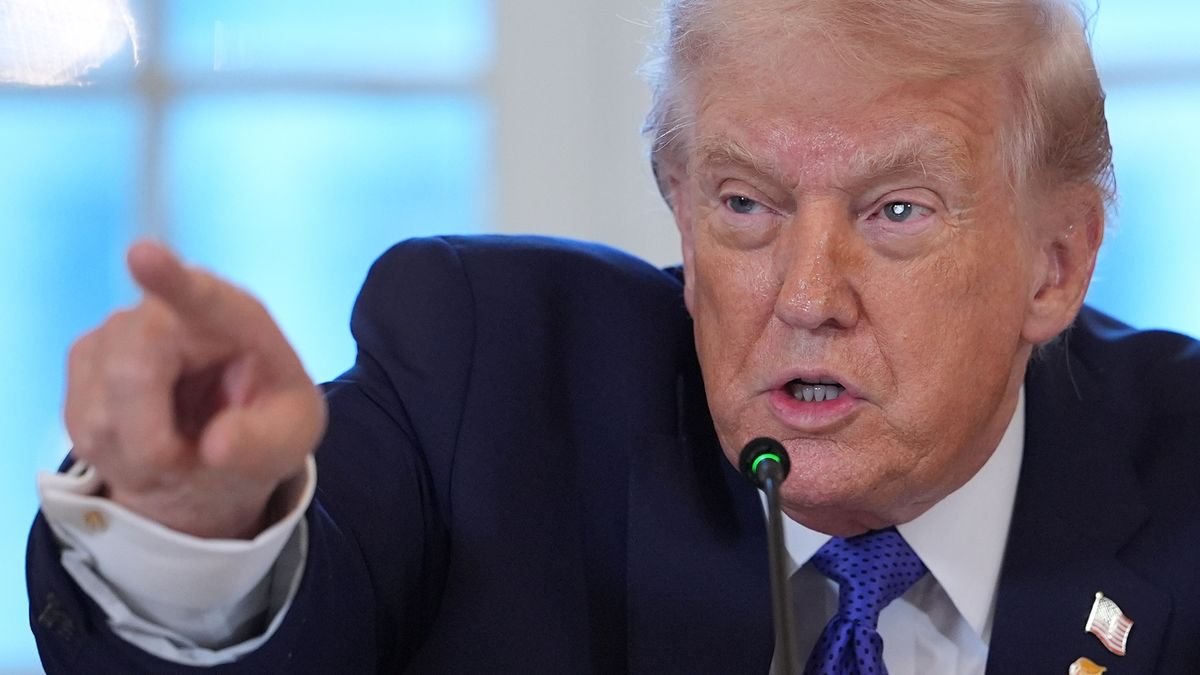

Donald Trump’s aggressive expansionist desires are becoming more apparent as he issues a series of ultimatums and requests to various nations. The US President seems willing to jeopardize relationships with allies in his quest to strengthen American supremacy in the Western Hemisphere and globally. Trump’s unconventional diplomatic tactics include threats to annex Greenland, reclaim the Panama Canal, and jokingly suggest Canada as the 51st US state.
This shift towards imperialism represents a stark departure from Trump’s initial pledge to end US military engagements, a promise that garnered him widespread support. Instead, he has intervened in regime changes in Venezuela, aiming to exploit the country’s oil resources, and authorized military actions in Syria, Iran, and Nigeria.
Trump has personally aligned himself with the idea of expanding US territories, emphasizing the psychological significance of claiming Greenland as American soil. Despite opposition from Greenlanders and the Danish government, which administers the island, Trump remains adamant about American control, hinting at potential military action if necessary.
The President’s aggressive stance extends to other nations, with Cuba being warned to negotiate terms or face repercussions akin to those experienced by Venezuelan leader Nicolas Maduro. Trump’s administration has taken steps to disrupt oil supplies to Cuba and intercept fuel shipments, demanding compliance without specifying exact terms.
In a similar vein, Colombia has been cautioned by Trump following Maduro’s arrest, with accusations of facilitating drug trafficking into the US. The President’s administration has targeted drug transport vessels in the Caribbean, alleging Colombian complicity, despite lacking concrete evidence. The US has also displayed naval power off Venezuela’s coast, signaling its readiness to counter regional threats.
Trump’s rhetoric has also touched on revisiting the Panama Canal agreement, voicing intentions to reclaim US control over the strategic waterway. Pointing fingers at China’s influence, Trump seeks to overturn the handover to Panama in 1999, a move rebuffed by Panamanian authorities.
Furthermore, Trump has criticized Mexico for its role in drug trafficking across the US border, emphasizing the need for decisive action. While expressing concerns about drug-related issues, the Mexican government has rejected any external military intervention, asserting its sovereignty.
Amidst ongoing tensions with Iran, Trump has adopted a confrontational stance, vowing to confront perceived threats to US interests in the Middle East. Protests in Iran against the ruling regime have fueled hopes of political change, with demonstrators voicing grievances over economic hardships and government repression.
Overall, Trump’s assertive foreign policy approach has sparked controversy and raised concerns about the implications for global stability and diplomatic relations.