

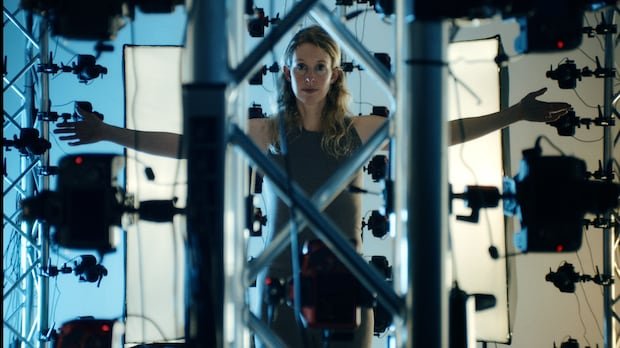

“You Can See Everything” has become a hot topic in the film industry, generating a buzz among viewers while keeping its plot under wraps. The documentary, focusing on the story of Elizabeth Holmes, the founder of Theranos, and her conviction for fraud, drew large crowds to theaters during its opening weekend. Despite its limited release in just 855 theaters across Canada and the U.S., the film raked in over $15 million in ticket sales. This marked the second-highest debut weekend for a non-musical documentary in domestic box office history, trailing only behind the 2004 documentary “Fahrenheit 9/11.”
Following its premiere, “You Can See Everything” received rave reviews, boasting a remarkable 99% fresh rating on Rotten Tomatoes and an impressive 4.8 score on Letterboxd, making it the highest-rated movie in the platform’s history. The film’s exceptional reception was further emphasized by enthusiastic comments from viewers online.
Directed and produced by Nathan Fielder and Lance Oppenheim, the documentary offers a unique perspective on Holmes’ life in the month leading up to her imprisonment. Toronto film critic Teri Hart described the theatrical experience of watching the film in theaters as intense, with audiences leaning in, gasping, applauding, and laughing throughout the screening.
The documentary’s intriguing premise and the dynamic between Fielder and Holmes have captivated audiences, with Hart highlighting Fielder’s distinctive interviewing style and the film’s ability to challenge perceptions of truth. Distributed by A24, the same company behind other acclaimed films, “You Can See Everything” has further solidified A24’s reputation for working with visionary directors and storytellers.
As viewers continue to engage with the thought-provoking content of the documentary, discussions about truth, perception, and ethics are sparked. Hart emphasized the importance of films like “You Can See Everything” in sparking conversations and evoking a range of emotions and reflections among viewers. The film’s refusal to neatly tie up its narrative has left audiences with lingering questions and a sense of shared experience, making it a memorable and impactful cinematic journey.