

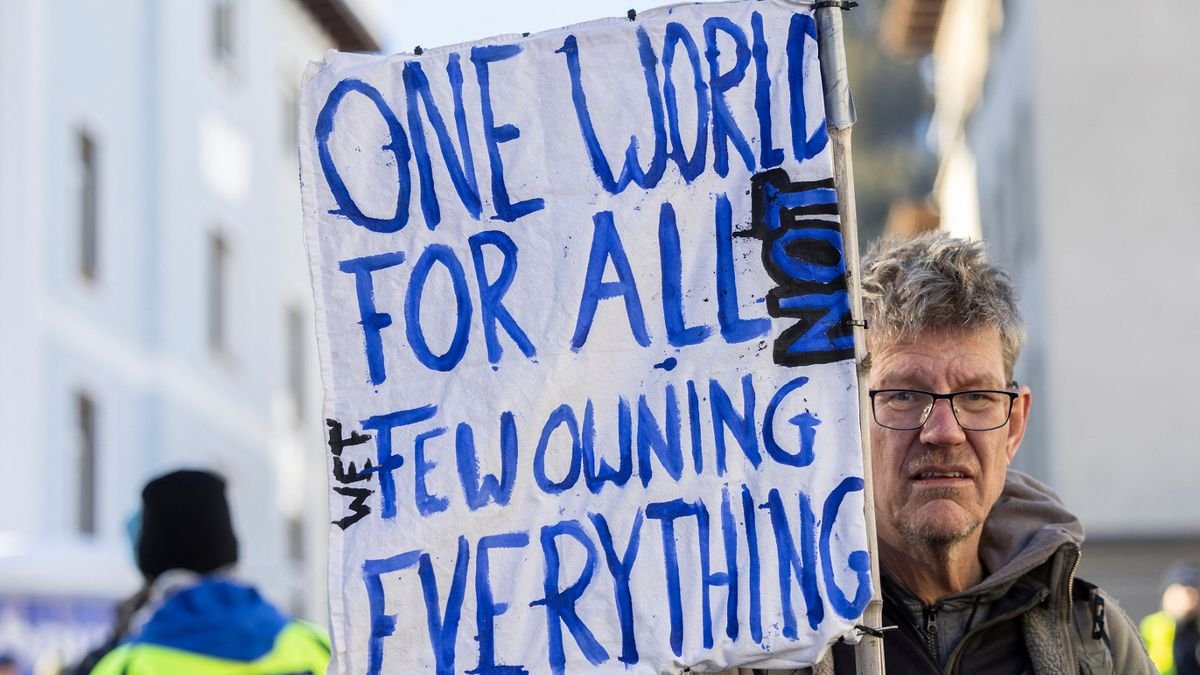

In the quest for fair taxation, a recent report by Oxfam reveals that slightly more than 50 wealthy Britons possess a total wealth greater than almost half of the entire nation. The stark reality is that millions of Britons grapple with energy, food, or housing poverty, which not only impacts their quality of life but also hinders the future prospects of their offspring while exerting a significant strain on the economy. The existing wealth disparity cannot be justified by the marginal performance difference between the ultra-rich and the ultra-poor.
The root of the issue lies in our tax system. Currently, individuals who earn through labor are taxed at nearly double the rate of those who earn through investments. Equalizing the tax rates on income and capital gains could generate approximately £12 billion annually. Furthermore, implementing a wealth tax of 2% on assets exceeding £10 million would affect a mere 20,000 individuals but could bring in £26 billion per year, offering substantial resources for various societal needs, from addressing financial gaps to supporting essential services like the NHS.
The prevailing tax regime disproportionately burdens the less affluent while sparing the excessively wealthy. To create a more equitable society, it is imperative to revamp these tax laws, which were essentially designed by and for the affluent. This reform is not just a concern for the underprivileged but is in the best interest of all members of society. By shaping our tax system to promote equality, we can aspire to build a better nation that benefits everyone.