

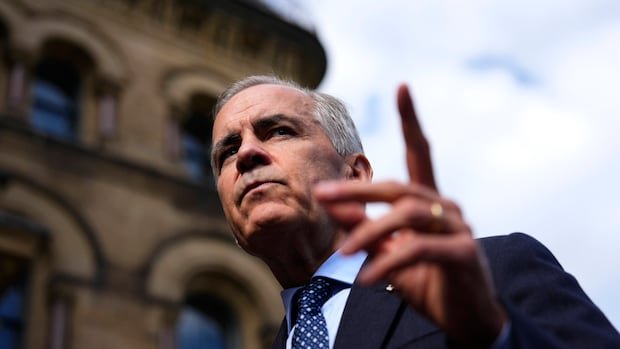

Prime Minister Mark Carney convened a meeting with world leaders in Kananaskis Country last year, shortly after his election victory and discussions with U.S. President Donald Trump on trade. Back then, concerns about Alberta’s separation from Canada were minimal. Trump emphasized the focus on trade with Canada, expressing optimism about finding common ground.
Fast forward to the present, Carney is once again in the Rocky Mountains, this time strategizing the upcoming parliamentary session after successful byelections for his governing Liberals. However, the current scenario is starkly different from the positive outlook of the past. Trade tensions between Canada and the U.S. have escalated, and the potential separation of Alberta from the federation is now a significant concern.
Despite the challenges facing the country, Prime Minister Carney’s approval ratings remain high. Canadians, led by Abacus Data’s David Coletto, are seeking clarity on the path forward amidst economic uncertainties. Coletto highlighted the public’s focus on job security and rising living costs, emphasizing the importance of addressing these issues.
Carney’s decision to reject a new trade agreement with the U.S. to safeguard Canada’s sovereignty has drawn praise, with his popularity surpassing that of previous leaders. Coletto noted that personal attacks from the White House are unlikely to sway public opinion in favor of Trump over Carney.
The ongoing trade dispute with the U.S. has prompted a shift in Canada’s strategy, aiming to reduce dependency on its largest trading partner. The cabinet planning forum, attended by ministers and state secretaries, will address the need for diversifying trade relationships and bolstering the economy. Additionally, discussions on separatism in Alberta are on the agenda, leading up to an upcoming referendum.
Key ministers, including Natural Resources Minister Tim Hodgson, are actively engaged in addressing the trade challenges, emphasizing the importance of winning the trade war for Canada’s economic and national security. Cabinet members are expected to present solutions to navigate the current crisis effectively.
As Ottawa evaluates its next steps in response to U.S. tariffs, Finance Minister François-Philippe Champagne highlighted the importance of engaging with the U.S. in due time, acknowledging Canada’s significant economic influence. The cabinet briefing will focus on trade issues and separatism concerns, with inputs from various stakeholders, including Ukrainian President Volodymyr Zelenskyy.
Despite the absence of experts on affordability issues in the briefing lineup, concerns about the public’s financial well-being remain crucial. Coletto emphasized the need for reassurance from the government to address immediate risks while planning for Canada’s long-term prosperity.