

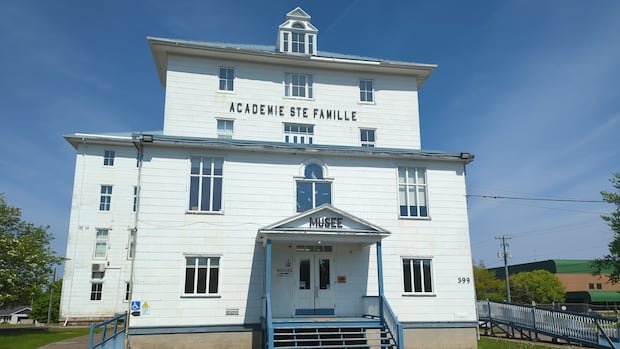

New Brunswick boasts over 100 museums and historical sites, with a focus on small-town treasures in our summer series Museum Road Trip. Tracadie, a community in northeastern New Brunswick, once had a significant presence of the Religieuses Hospitalières de Saint-Joseph, an order of nuns. These nuns provided care for the sick, managed an orphanage, and educated children.
Although the order is no longer active in Tracadie, its legacy lives on at the Musée Historique de Tracadie. Initially, the nuns primarily operated a lazaretto, a hospital for lepers. Leprosy, a bacterial infection affecting various body parts, was first identified in Tracadie in 1828, possibly introduced by immigrants from Norway.
The first lazaretto in Tracadie was constructed in 1849, and over time, it expanded to accommodate lepers from across Canada. However, this led to a negative reputation for Tracadie in the 1800s, affecting the town’s economy. In 1943, a breakthrough in leprosy treatment with the drug promin led to the closure of the lazaretto in 1965.
Apart from treating leprosy patients, the nuns also provided general healthcare services to the community, including operating a francophone hospital, a unique feature in New Brunswick at the time. The museum showcases historical medical equipment used by the nuns, including intimidating metal syringes and an old-style incubator.
The nuns also prioritized education and established a day school and later a boarding school in Tracadie due to the lack of educational opportunities in the area. Children from various regions, including Quebec, benefited from the quality education provided at the boarding school. While the Religieuses Hospitalières de Saint-Joseph order remains active in other locations, their presence in Tracadie officially ended in 2025.