

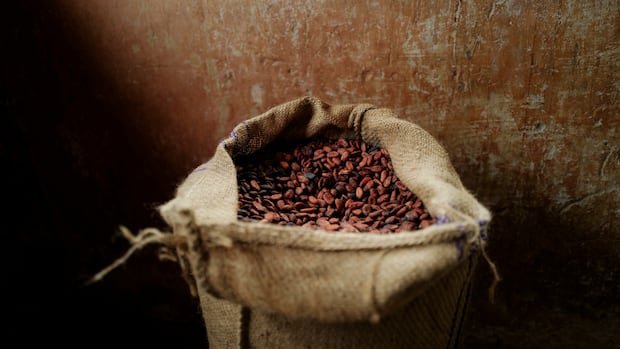

As Halloween approaches, stores are stocking up on vibrant chocolate boxes, but a recent peer-reviewed study highlights a lesser-known threat to cocoa production. According to Anna Lea Albright, an environmental fellow at Harvard University, heavy rainfall poses a significant risk to cocoa cultivation, overshadowing concerns about heat and drought.
Cocoa prices have surged in recent years, with a tonne now priced at around $6,000 US, compared to $2,000 to $3,000 US per tonne in previous years. The spike in prices in 2024 was attributed to various factors, including extensive flooding in West Africa, the world’s top cocoa-growing region with over two million farmers.
Leslie Agyare, founder of Three Mountains Cocoa in Ghana, expressed the challenges faced by farmers due to excessive rainfall hindering harvests. Climate change exacerbates these issues, but the study suggests possible interventions to safeguard cocoa production.
The research, focusing on Ghana, the second-largest cocoa producer globally, revealed that extreme rainfall during flowering stages significantly impacts yields more than temperature variations. Excessive rain can damage delicate cocoa flowers and lead to fungal infections like black pod disease, affecting cocoa production in countries like Ecuador and Indonesia as well.
The study also highlighted the correlation between warmer air and increased rainfall intensity during the wet season, noting the adverse effects of El Niño, which can reduce extreme rain risks but increase drought probabilities in West Africa.
Beyond weather-related risks, non-climactic factors such as aging trees and illegal activities like gold mining threaten cocoa production, as per the UN Food and Agriculture Organization. While solutions like fungicide use and improved drainage are suggested, Agyare emphasizes the need for infrastructural investments to address challenges faced by cocoa farmers.
Experts warn that climate shocks are discouraging cocoa farming in West Africa, potentially leading to a shift away from cocoa cultivation. Companies like Nestlé are exploring alternatives like cocoa-free chocolate, with products such as ChoViva using sunflower seeds as a substitute. Despite rising chocolate prices, the future of cocoa farming remains uncertain, with concerns about the well-being of smallholder farmers in the region.