

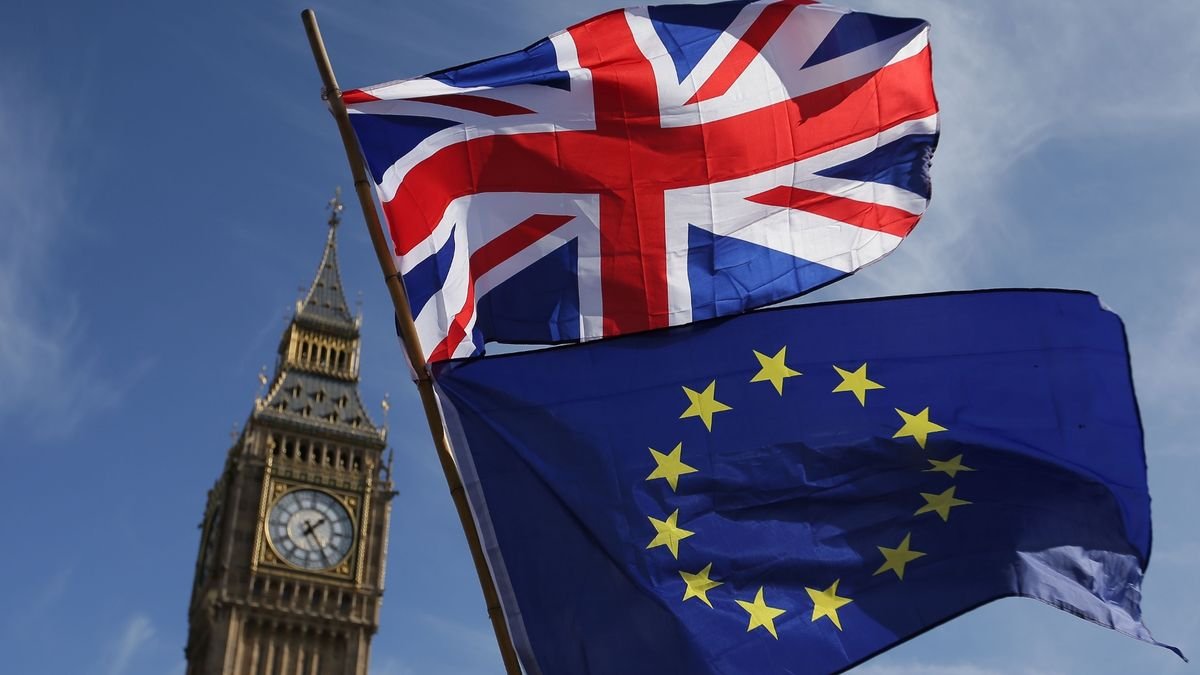

In a recent survey by Deltapoll for The Mirror, findings show that a significant percentage of voters in the UK would support rejoining the European Union if a second Brexit referendum were to take place. Nearly 58% of those surveyed expressed their intention to cast their vote in favor of returning to the EU, marking a notable sentiment as the 10th anniversary of the 2016 Brexit vote approaches.
Support for reversing Brexit was particularly strong among younger demographics, with over 86% of 18 to 24-year-olds in favor of rejoining the bloc. Conversely, older voters showed a preference for remaining outside the EU, with 51% to 49% among 55 to 64-year-olds, and 58% to 42% among those over 65 years old.
Political affiliations also played a role in the survey results, with Conservative and Reform party supporters largely backing the current status quo, while Labour and Liberal Democrat backers expressed strong support for rejoining the EU.
Geographically, every region in the UK showed a preference for returning to the EU, with Scotland leading at 73%, followed by London and Wales at 65%. Support was slightly lower in the Midlands (53%) and the North (54%), but both regions still leaned towards rejoining the EU.
In recent developments, UK Labour leader Keir Starmer has emphasized efforts to mend relations with EU member states, culminating in a trade deal with Brussels. Additionally, the UK government announced plans to rejoin the Erasmus+ program, enabling British students to study in European universities post-Brexit.
While discussions around closer ties with the EU continue, Starmer clarified that while seeking a closer relationship with the EU, Labour remains committed to not reversing Brexit. This stance aligns with the party’s manifesto, emphasizing a desire for enhanced cooperation without rejoining the EU.
Despite differing opinions within the government, indications of potential shifts towards closer ties with the EU have emerged, with some advocating for a new customs union and emphasizing the importance of aligning more closely with Brussels. Campaign groups like Best for Britain have highlighted public sentiments of Brexit being viewed as a failure, with a growing desire to reestablish ties with the EU for strategic and geopolitical reasons.
Amidst these discussions, the UK government has maintained its stance on not rejoining the single market and customs union, emphasizing the need to reset and strengthen relations with the EU while adhering to its established “red lines.”