

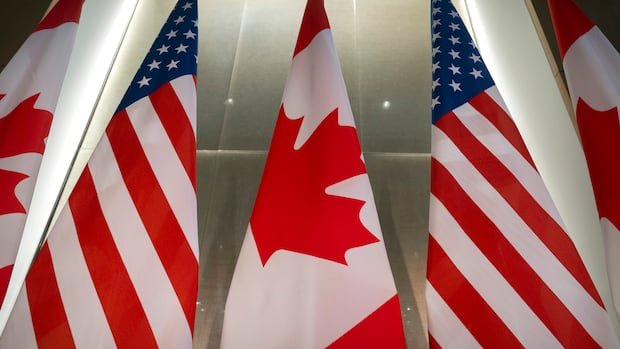

A legal challenge has been initiated against the tariffs imposed by U.S. President Donald Trump on Canada. The lawsuit was filed in the United States Court of International Trade by the non-profit organization Liberty Justice Center on behalf of Gellert Global Group, a U.S. food importer. The lawsuit argues that Trump’s utilization of Section 338, a trade statute from the 1930s that had never been previously enforced, exceeds his authority as president.
Trump imposed a 50% tariff on various Canadian goods using Section 338 after trade negotiations collapsed in August. Subsequently, the same statute was utilized to prohibit the import of additional Canadian products, including motorcycles, alcohol, and dairy items.
The lawsuit contends that the Canadian policies do not warrant the extensive tariffs imposed by the Trump administration. It challenges the White House’s assertion that Section 338 allows the president to levy tariffs in response to actions that disadvantage U.S. exporters, despite the statute’s historical non-use for that purpose. The lawsuit also highlights that some Canadian policies, such as auto quotas and liquor bans, were responses to Trump’s own tariff actions.
The Liberty Justice Center argues that the tariffs disrupt established relationships and create uncertainty across the supply chain, affecting American businesses like Gellert Global Group. The company faces challenges due to the trade war, paying tariffs on imports from Canada and facing retaliatory tariffs on its American-made products sold in Canada.
Beyond the immediate impact on Canada, the lawsuit raises concerns about the unchecked use of Section 338 by any future president to impose tariffs without significant congressional oversight. The legal action seeks a declaration that the tariffs are unlawful and demands a refund. The Liberty Justice Center previously challenged Trump’s use of the International Economic Emergency Powers Act of 1977 in other tariff disputes, leading to a ruling by the top court that such actions were unconstitutional due to Congress’s authority over taxes and tariffs.