



In late August, Julia Hallman and her husband embarked on a road trip from their home in Massachusetts to visit one of their Canadian suppliers at Fromagerie La Station in Quebec.
While sitting on the back porch of the farm in Compton, Hallman observed the cows grazing, which would eventually produce the milk for one of her store’s most popular cheeses: the creamy Alfred le Fermier. She is committed to continuing her purchases of this cheese for her shop, not just because of her customers’ appreciation, but also because she considers the family behind it as friends.
“Ultimately, we want to help support them and ensure they receive fair compensation,” stated Hallman, who runs Formaggio Kitchen, a specialty cheese and artisan goods store located in Cambridge.
Hallman is among countless business owners in Canada and the U.S. anxiously awaiting news on whether the Trump administration will enforce significant new tariffs on a wide array of Canadian products this Wednesday. Business owners in the U.S. are concerned that sustained tariffs of 50 percent would compel them to make difficult decisions they have been trying to avoid for over a year and a half: severing long-term, trustworthy relationships with Canadian suppliers to protect their financial interests.
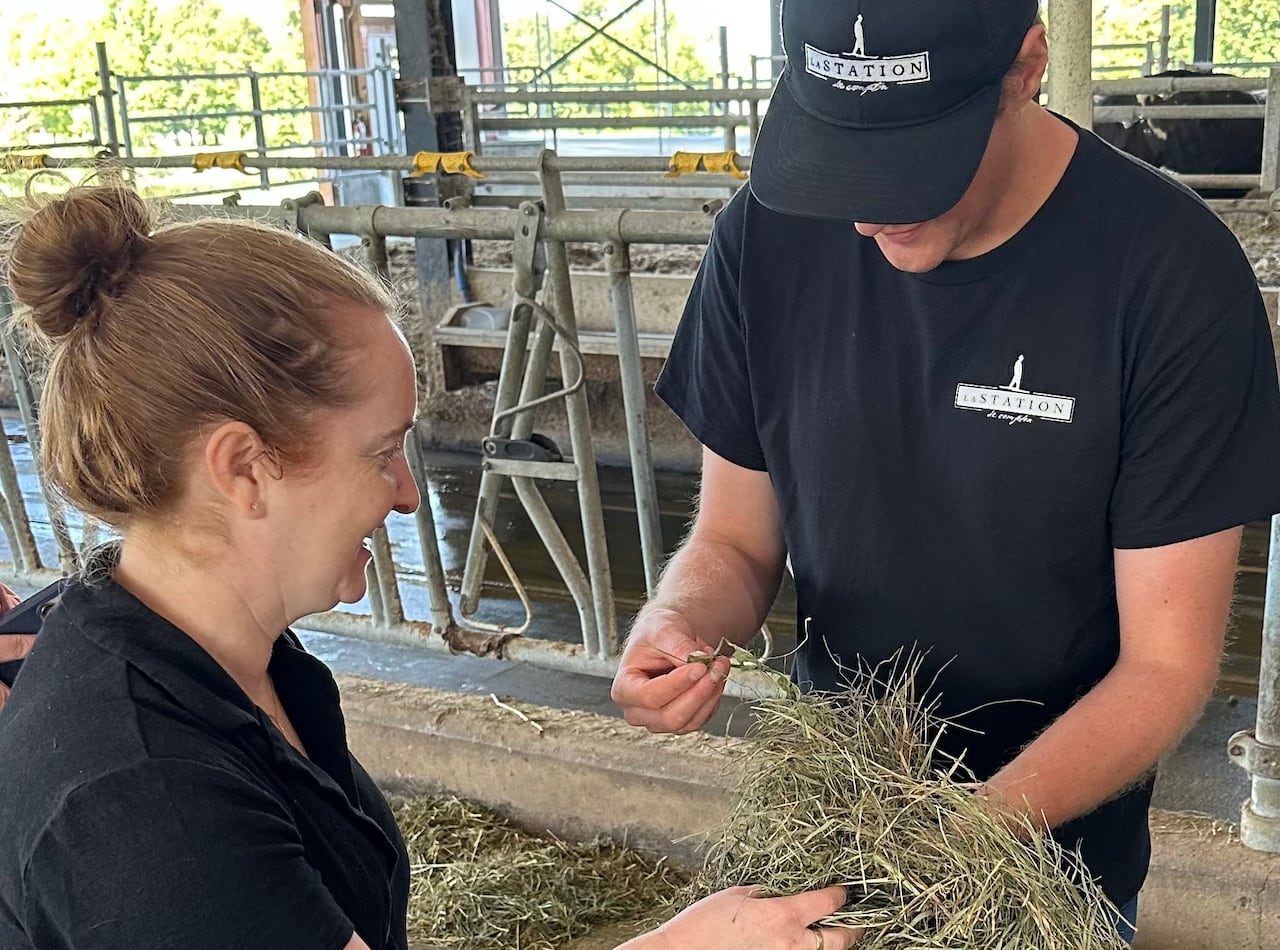
Hallman, left, at Fromagerie La Station in Compton, Que., last summer. (Submitted by Julia Hallman)
Business owners can only endure so much
At Formaggio Kitchen, imported items such as cheeses, chocolates, spices, and spreads constitute about half of their inventory, with products from Canada representing approximately 15 percent of this selection.
In the past, Hallman has navigated tariffs on Canadian dairy by either sacrificing profit margins, increasing prices for her customers, or a combination of both. While she hopes to maintain this approach, she acknowledges that a 50 percent tariff would become unmanageable.
“There will be a time when we must make tough decisions,” Hallman remarked, reflecting on her journey that took her thousands of kilometers across various locations in Quebec.
“That’s the dilemma: We want to preserve the friendships we’ve cultivated. However, we also have limits regarding what our business can sustain and what our customers are willing to pay.”
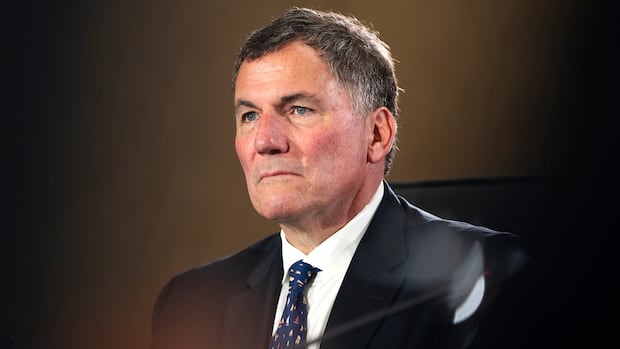
Sources have indicated to CBC News that Canadian negotiators are concerned that new U.S. tariffs may be inevitable as Washington insists on the elimination of provincial bans on U.S. alcohol, which the provinces are resisting. Additionally, Canada’s request for greater tariff relief in critical sectors like lumber remains stalled.
Similar to Hallman, Sarah Paxton is apprehensive that the new tariff rates will compel her to part ways with suppliers her business has relied on in Ontario and Quebec for many years — one of whom, Amisco, has offered to absorb the tariff costs until a specific date. While she believes she can manage the new charges temporarily, she knows it won’t last indefinitely.
“We will do our best to continue if we can. However, a 50 percent tariff is a considerable burden,” said Paxton, co-owner of LaDIFF, a contemporary furniture store based in Richmond, Virginia.
“Imagine someone reaching into your wallet and taking away half of your money; that would be extremely challenging.”
-
Frustration, worry and hope: Canadian businesses brace for the latest round of U.S. tariffs
-
Carney says last-minute U.S. tariff negotiations are ‘delicate’ and ‘intense’ as deadline looms
The newest round of U.S. tariffs is poised to impact $28 billion worth of Canadian goods just after midnight unless a last-minute agreement can be reached between the two governments.
Canadian business owners are anxious about tariffs significantly reducing their profits if American clients like Hallman and Paxton — who ultimately bear the costs when importing Canadian products — are forced to seek alternatives.
On Monday, representatives from Canada and the U.S. convened for what was anticipated to be the concluding meeting at the ministerial level. The Prime Minister’s office confirmed to CBC News that Mark Carney held a conversation with U.S. President Donald Trump that afternoon regarding the “ongoing trade discussions.”
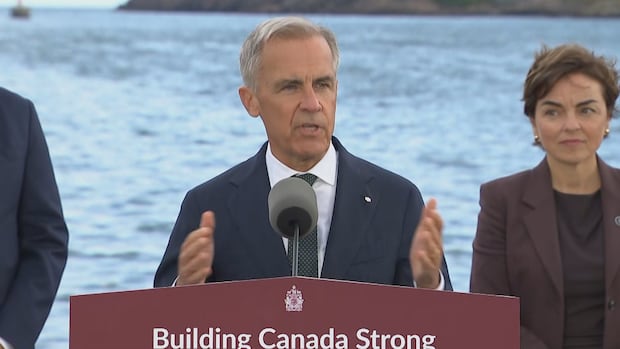
Prime Minister Mark Carney indicates he will have “opportunities over the next 48 hours” to discuss with U.S. President Donald Trump before the proposed tariffs on various Canadian goods take effect. Carney made the remarks to reporters following the announcement of $10 billion in federal funding for the Churchill Falls hydroelectric project involving Quebec and Newfoundland and Labrador.
As she anxiously awaited the potential implementation of another threat, Hallman filled her shop’s basement “cheese cave” with as many non-perishable items as she could before the deadline. According to her, the implications of tariffs are as much emotional as they are financial.
“We are quite resolute,” Hallman expressed. “We intentionally bring these products in because of our love for them. We don’t want someone to dictate that we can’t import them. This is precisely what they achieve by imposing such an excessive tariff.”
“It’s a very clear and emphatic message.”