


A recent report on climate change suggests that Canadians need to prepare for a future with temperatures 5 degrees Celsius higher. The second edition of the Canada’s Changing Climate Report highlights the impact of human activities, particularly the burning of fossil fuels, on global warming. Released by the federal government, the report outlines potential scenarios for Canada based on different levels of climate action.
According to the report, if current climate policies are maintained globally, Canada is expected to experience significant warming. By the end of the century, temperatures could rise by 5 degrees Celsius, with winter temperatures in Nunavut potentially increasing by more than 10 degrees Celsius. Glaciers in western Canada are at risk of losing over 75% of their ice, and there is a high probability that the central Arctic Ocean will be mostly ice-free in September.
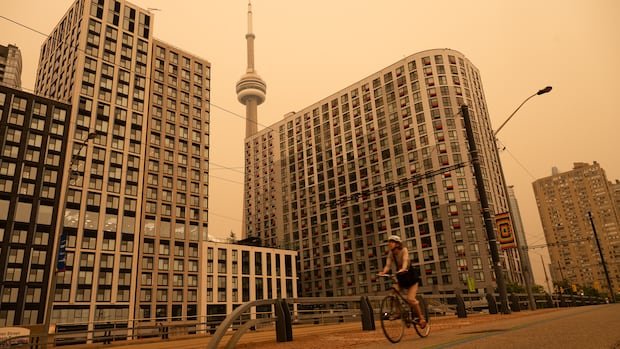
The report also predicts challenges for southern Canada, where the majority of the population resides. Summers are anticipated to become drier, longer, and more severe, with an increase in both flash flooding and atmospheric rivers. The length of the fire season in Canada has already increased and is projected to continue growing with rising global temperatures.
However, there is hope for a more stable climate if countries globally reduce greenhouse gas emissions and achieve net-zero targets. By taking significant action to cut emissions, Canada could potentially stabilize its climate and limit warming to 3.5 degrees Celsius. It is emphasized that the future is not predetermined, and there is still an opportunity to mitigate the impacts of climate change.
In response to the report, the Canadian Climate Institute emphasizes the importance of immediate action to reduce emissions. They stress that every degree of warming avoided can save lives, protect communities, and prevent economic losses. The institute urges Canada and other nations to prioritize emission reduction efforts to secure a more sustainable future.