

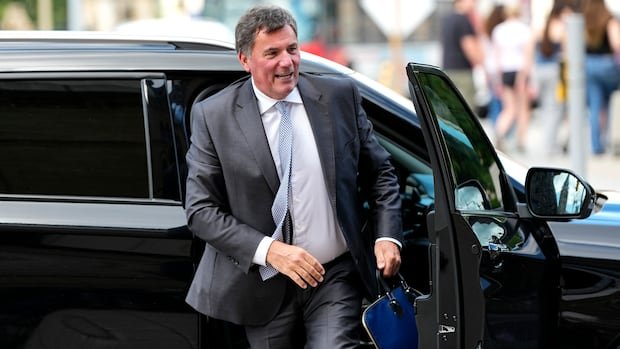

Canada’s Trade Minister Dominic LeBlanc recently engaged in a lengthy discussion with American officials in Washington to finalize a trade deal. This agreement aims to alleviate tariffs on Canadian industries and allow U.S. alcohol sales in Canadian liquor stores. While the specifics of the agreement remain undisclosed, sources suggest that U.S. tariffs on Canadian steel and aluminum may decrease from 50% to 25%, along with potential adjustments for derivatives and exemptions. Additionally, the deal could reduce tariffs on Canadian vehicles from 25% to 15%, with a quota system controlling steel imports into the U.S.
In return for these tariff reductions, the U.S. is requesting the lifting of the alcohol boycott in Canadian liquor stores and the removal of provincial restrictions hindering American companies from government contracts. This trade negotiation follows the initiation of a trade war by President Trump, which significantly impacted Canada-U.S. trade relations.
Despite differing opinions among Canadian premiers regarding dealing with Trump, there is an overall willingness to cooperate. While Manitoba Premier Wab Kinew expresses skepticism towards Trump’s reliability, he acknowledges the necessity of restoring U.S. alcohol sales. Nova Scotia Premier Tim Houston supports the negotiations, emphasizing the importance of securing a beneficial deal for Canada. Quebec Premier Christine Fréchette is assessing the potential impact on Quebec’s economy before taking a definitive stance on the agreement.
Several premiers, including Ontario’s Doug Ford and British Columbia’s David Eby, are optimistic about the ongoing negotiations and the potential for a positive outcome. They affirm their commitment to advancing Canada’s economic interests and diversifying trade partnerships for a stronger national economy.